

Best Chocolate for Ganache: Complete Guide
18-04-2026
Choosing the right chocolate for ganache is the first step toward achieving a smooth, glossy, and stable finish that elevates any dessert from good to professional. Whether you are preparing a rich cake filling, a flawless drip, or delicate truffles, the quality and type of chocolate you select directly influence texture, shine, and taste.
Ganache may appear simple with just chocolate and cream, but the results depend on precision and understanding. Many bakers struggle with issues like splitting, dull surfaces, or overly thick or runny consistency. These problems are rarely caused by technique alone. In most cases, they begin with selecting the wrong type of chocolate or ignoring factors like cocoa percentage and chocolate fluidity for ganache.
Professional bakers rely on couverture chocolate because of its higher cocoa butter content, which helps create a stable emulsion and a naturally glossy finish. Understanding how different chocolates behave when combined with cream allows you to control consistency for different applications, from soft fillings to firm truffles and silky glazes.
This guide breaks down everything you need to know to master ganache with confidence. You will learn how to choose the best couverture chocolate for ganache, understand ratios, avoid common mistakes, and create recipes that deliver consistent results every time.
What is Ganache and Why It Matters?
Ganache is a classic mixture of chocolate and cream that forms the foundation of many professional desserts. At its core, it is an emulsion where fat from chocolate and cream combines to create a smooth, stable, and rich texture. When prepared correctly, ganache delivers a glossy finish, balanced flavor, and a consistency that can be adapted for multiple uses in baking and pastry work.
The science behind ganache lies in how cocoa solids, cocoa butter, and dairy fats interact. Chocolate contains cocoa butter, which melts and blends with the fat in cream when heat is applied. As the mixture is stirred, these components bind together to form a uniform emulsion. This process is what gives ganache its signature smoothness and shine. If the balance is disturbed, the mixture can split or lose its texture, which is why understanding the basics is essential.
Ganache is widely valued because of its versatility. It can be poured as a glaze, whipped into a light frosting, or set into a firm structure for truffles. Its ability to adapt depends on the ratio of ingredients and the type of chocolate used. A well made ganache enhances both appearance and taste, making desserts look refined while delivering a rich chocolate experience.
The importance of ganache in baking goes beyond just decoration. It plays a key role in adding moisture, structure, and flavor depth to cakes and pastries. When made with high quality couverture chocolate, ganache achieves a professional finish that is difficult to replicate with lower grade alternatives. This is why choosing the right ingredients and understanding the process is critical for consistent and high quality results.
Applications of Ganache in Baking
Ganache is one of the most versatile elements in baking, adapting effortlessly across different applications. Its consistency can be controlled by adjusting ratios and technique, allowing bakers to achieve anything from a silky glaze to a firm filling. Understanding how each application differs helps deliver both visual appeal and structural stability.
Key Applications of Ganache
- Cake Filling
Used as a rich and creamy layer between cake sponges, ganache filling provides moisture and depth of flavor. It is softer than frosting but thicker than glaze, allowing clean slicing without oozing. The focus here is balance, ensuring smooth spreadability while maintaining structure inside layered cakes. - Cake Frosting
Ganache frosting is whipped to create a light and airy texture that spreads easily over cakes. Unlike buttercream, it delivers a more refined chocolate flavor with less sweetness. The consistency is thicker than filling, allowing it to hold shape while still being smooth for clean finishes. - Drip Cakes
Ganache for drip cakes is fluid and glossy, designed to flow gently over cake edges. It must be thin enough to drip naturally but thick enough to control flow. The emphasis is on shine and movement, creating a visually appealing finish without running too quickly. - Truffles
For truffles, ganache is set into a firm yet creamy center that can be shaped into balls. This requires a higher chocolate ratio to achieve structure. The texture should be dense and smooth, allowing it to hold shape while delivering a melt in the mouth experience. - Tart Fillings
Ganache used in tarts is slightly firm but still sliceable, providing a clean cut with a smooth interior. It sets more than a filling but less than truffle ganache. The focus is on stability and presentation, ensuring the tart holds shape while maintaining a silky bite.
Ganache Consistency Based on Application
| Application | Chocolate : Cream Ratio | Texture Type | Key Characteristic |
|---|---|---|---|
| Cake Filling | 1 : 1.5 | Soft and creamy | Easy to spread, holds layers |
| Frosting | 2 : 1 | Thick and fluffy | Holds shape, smooth finish |
| Drip | 1 : 1 | Fluid and glossy | Controlled flow, shiny appearance |
| Truffles | 2.5 : 1 | Firm and dense | Shape holding, rich texture |
| Tart Filling | 2 : 1.5 | Semi firm | Clean slicing, smooth interior |
Each application requires a thoughtful balance between chocolate and cream. By understanding these variations, bakers can confidently adjust ganache consistency to suit different desserts while maintaining a professional finish.
Understanding Chocolate for Ganache
Selecting the right chocolate is the most important decision when preparing ganache. While technique and ratios matter, the type and quality of chocolate ultimately determine the final texture, shine, and flavor. Not all chocolate behaves the same, and understanding these differences helps achieve consistent and professional results.
Ganache can be made using dark, milk, or white chocolate, each offering a distinct flavor profile and structure. Dark chocolate provides a rich and intense taste with a firmer set due to higher cocoa solids. Milk chocolate creates a sweeter and creamier ganache with a softer consistency because of added milk solids and sugar. White chocolate, which contains cocoa butter but no cocoa solids, produces a very soft and delicate ganache that requires careful handling and adjusted ratios.
One of the most important distinctions in baking is between couverture chocolate and compound chocolate. Couverture chocolate contains a higher percentage of cocoa butter, which improves melting behavior and helps create a smooth and glossy emulsion. This makes it the preferred choice for ganache. Compound chocolate, on the other hand, replaces cocoa butter with vegetable fats. While it is easier to handle and more cost effective, it does not deliver the same shine, texture, or flavor depth.
Cocoa butter plays a critical role in emulsification. When hot cream is combined with chocolate, cocoa butter melts and binds with the fat in cream to form a stable mixture. This interaction is what gives ganache its silky texture. Chocolate with higher cocoa butter content melts more evenly and produces a smoother finish.
Another key factor is chocolate fluidity for ganache. Fluidity refers to how easily melted chocolate flows, which directly affects how ganache spreads, pours, and sets. Chocolate with higher fluidity creates a smoother and more pourable ganache, ideal for glazes and drips. Lower fluidity chocolate results in a thicker ganache, better suited for fillings and truffles.
Professional bakers often rely on couverture chocolate from trusted brands because of its consistency and performance. These chocolates are specifically designed for applications like ganache, offering controlled fluidity, balanced flavor, and reliable results. Understanding these characteristics allows bakers to choose the right chocolate based on the desired outcome, ensuring every batch of ganache meets professional standards.
Chocolate to Cream Ratio for Perfect Ganache
Getting the ratio right is what transforms ganache from average to professional. While the application defines how ganache is used, the ratio defines how it behaves. A slight change in chocolate or cream quantity can completely alter texture, stability, and finish. Understanding this balance allows bakers to control consistency with precision.
The ratio depends on three key factors: type of chocolate, cocoa percentage, and desired texture. Dark chocolate contains more cocoa solids, so it sets firmer and requires relatively more cream for a balanced consistency. Milk chocolate has added sugar and milk solids, making it softer, while white chocolate is the most delicate and requires higher chocolate content to achieve structure.
Another important factor is temperature control. Hot cream should be warm enough to melt chocolate evenly but not boiling, as overheating can break the emulsion. Once combined, gentle mixing ensures a smooth and glossy finish without incorporating air.
Recommended Ratios for Different Chocolate Types
| Chocolate Type | Standard Ratio (Chocolate : Cream) | Resulting Texture | Best Use Case |
|---|---|---|---|
| Dark Chocolate | 1 : 1 | Smooth and balanced | Glazes, general purpose ganache |
| Dark Chocolate | 2 : 1 | Thick and stable | Structured fillings, molded desserts |
| Milk Chocolate | 2.5 : 1 | Soft and creamy | Fillings, layered desserts |
| White Chocolate | 3 : 1 | Rich and soft set | Decorative layers, delicate fillings |
These ratios serve as a starting point and can be adjusted based on cocoa percentage and desired finish. Higher cocoa percentage chocolates may need slightly more cream to soften the intensity, while lower percentage chocolates require less liquid to maintain structure.
Mastering ratios ensures consistency across batches, especially in professional kitchens where repeatability is essential. Once understood, this simple balance gives bakers complete control over texture, making ganache reliable for every application.
Choosing the Best Couverture Chocolate for Ganache
Selecting the best chocolate for ganache ensures smooth texture, shine, and stability. Focus on cocoa percentage for structure, fluidity for flow, and flavor for balance. Dark chocolate gives firmness, milk adds creaminess, and white creates softer ganache. Using high quality couverture improves emulsification and consistency, helping achieve reliable results in professional baking.
-

Callebaut 811 Dark
Callebaut 811 Dark is a preferred chocolate for ganache with balanced cocoa intensity and smooth melt profile. Its medium fluidity ensures easy emulsification, creating a glossy and stable finish. Ideal for glazes, fillings, and drip applications, this couverture offers consistent results for bakers seeking reliability and rich chocolate flavor in professional ganache preparation.
-
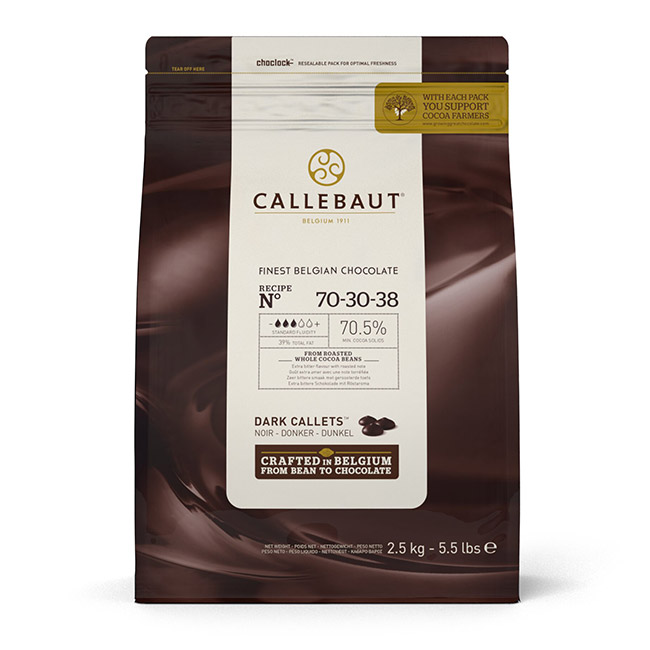
Callebaut 70-30-38 Dark
Callebaut 70-30-38 Dark delivers a deep cocoa flavor, making it an excellent chocolate for ganache where intensity matters. Its higher cocoa percentage creates a firmer structure and bold taste, suitable for truffles and structured fillings. The controlled fluidity supports smooth blending with cream, ensuring a refined texture and professional finish.
-
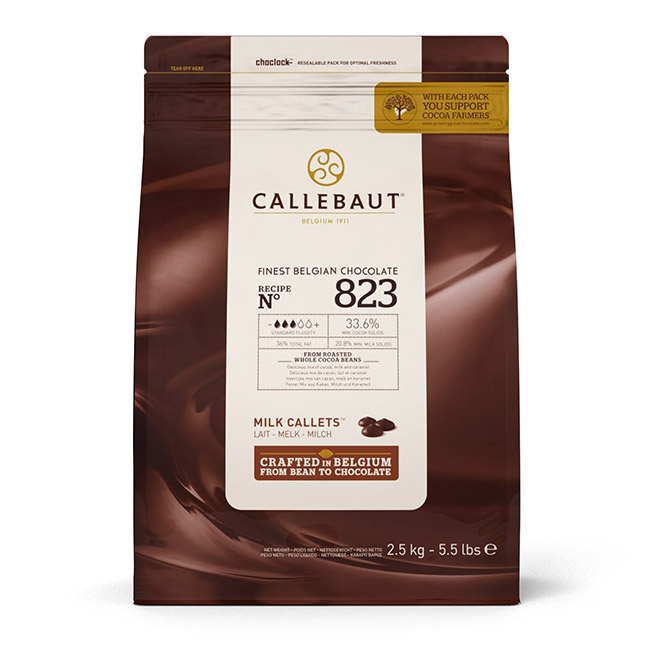
Callebaut 823 Milk
Callebaut 823 Milk is a versatile chocolate for ganache known for its creamy caramel notes and smooth texture. With balanced sweetness and fluidity, it creates soft and silky ganache ideal for fillings and frostings. Its consistent melt ensures easy emulsification, making it a reliable choice for achieving a rich yet approachable chocolate finish.
-
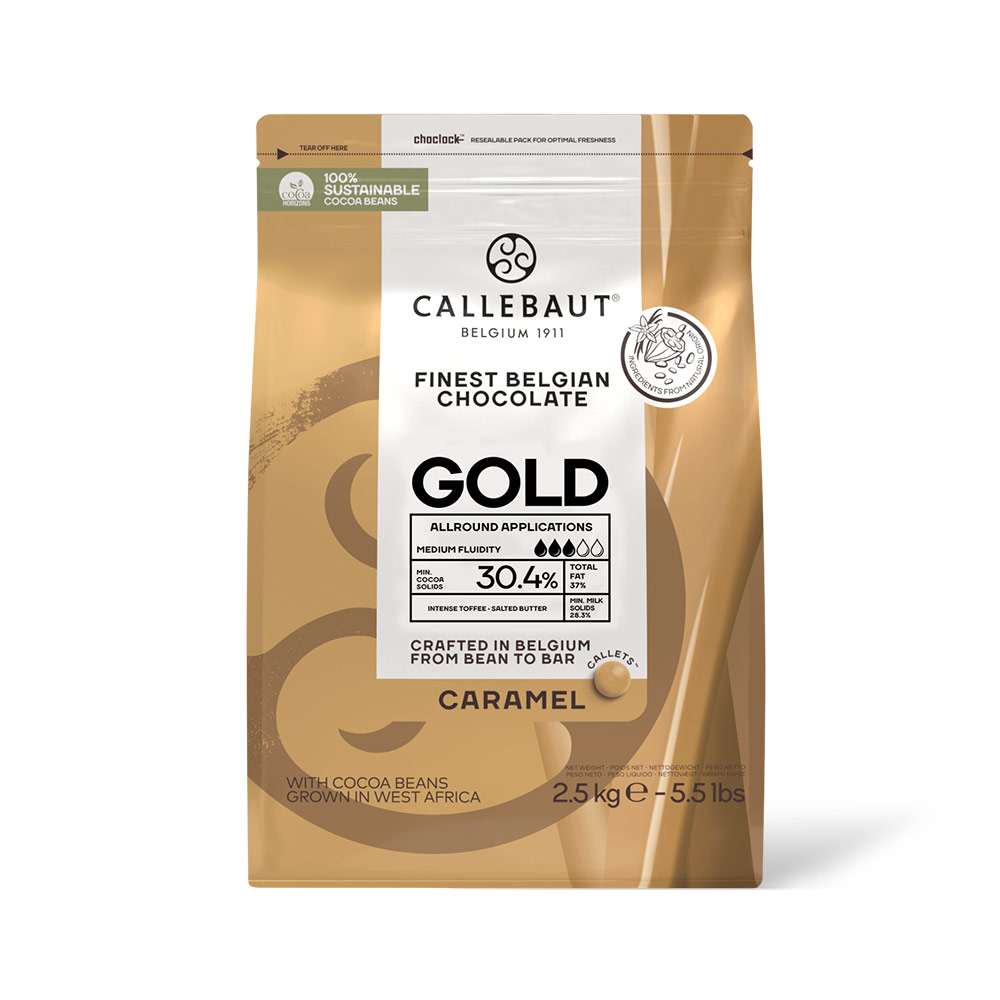
Callebaut Gold Chocolate
Callebaut Gold Chocolate offers a unique caramelized flavor profile, making it a creative chocolate for ganache. Its smooth fluidity supports glossy results, while its rich taste enhances desserts with depth. Perfect for innovative fillings and decorative layers, this couverture brings a distinctive twist to traditional ganache applications.
-
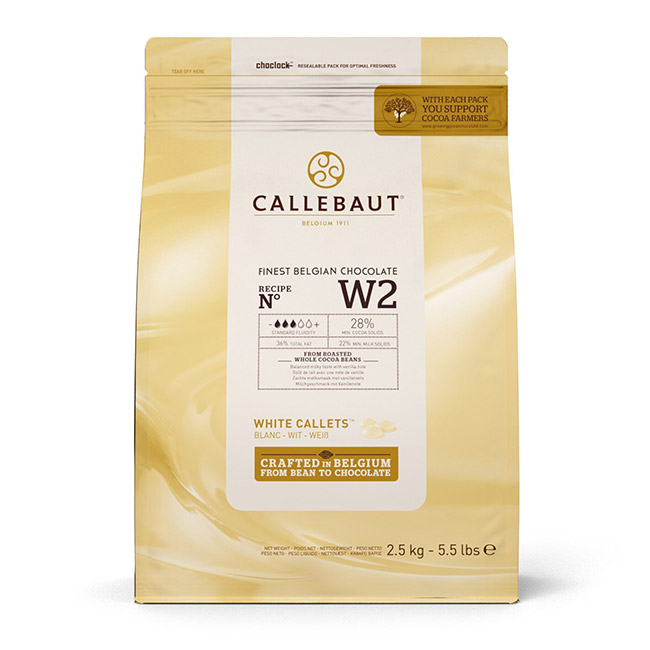
Callebaut W2 White
Callebaut W2 White is a premium chocolate for ganache that delivers a creamy and delicate finish. With high cocoa butter content, it ensures smooth emulsification and a soft texture. Ideal for decorative layers and whipped ganache, this couverture provides a balanced sweetness and consistent performance for professional baking results.
-
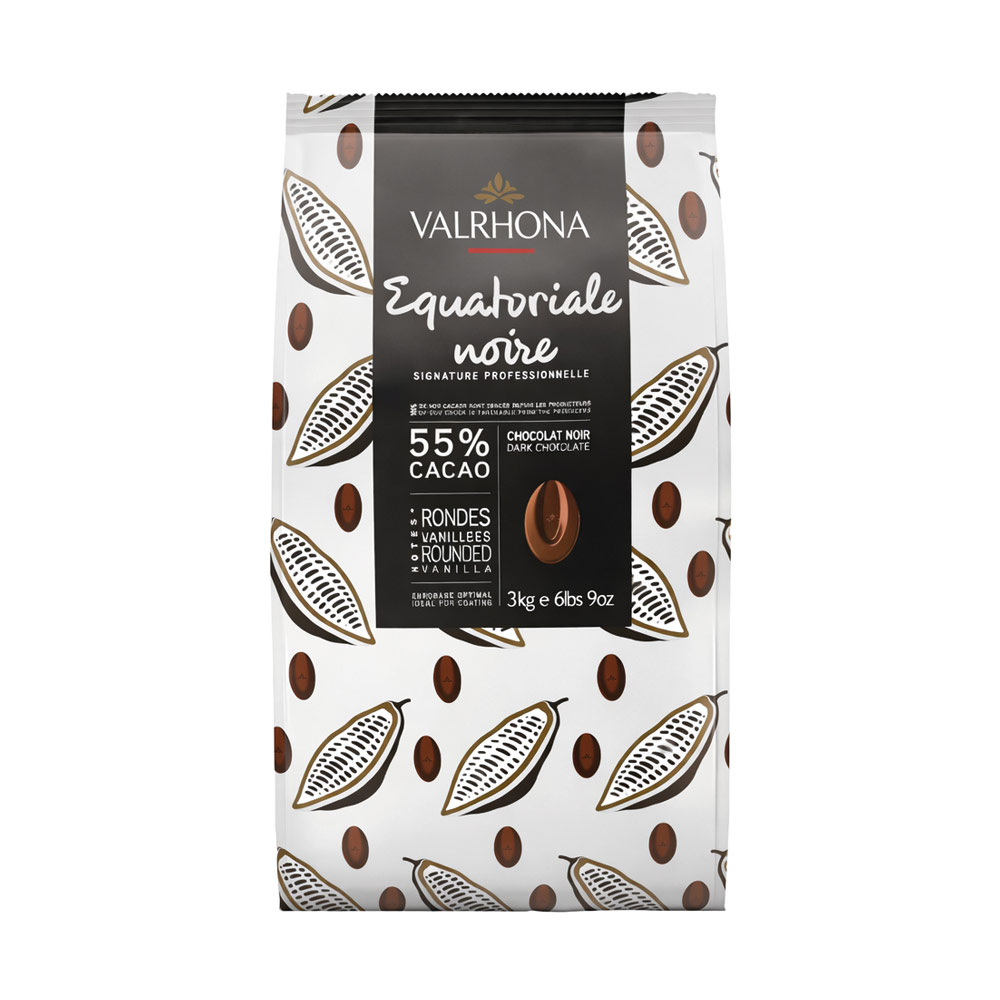
Equatoriale Noire 55% Dark Chocolate
Equatoriale Noire 55% offers a balanced cocoa profile, making it a dependable chocolate for ganache. Its moderate intensity works well for general baking needs, delivering smooth texture and stable consistency. Suitable for glazes and fillings, it combines affordability with performance, making it a practical choice for bakeries handling large volume production.
-
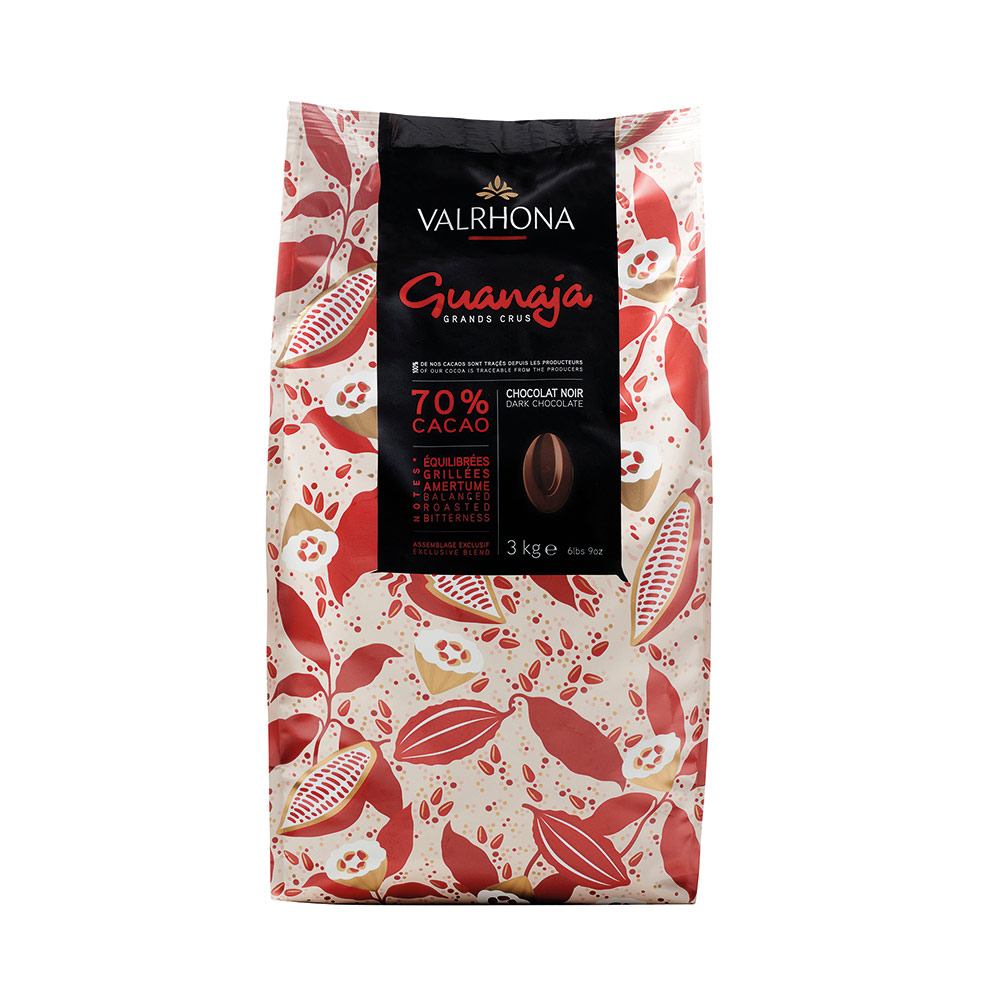
Guanaja 70% Dark Chocolate
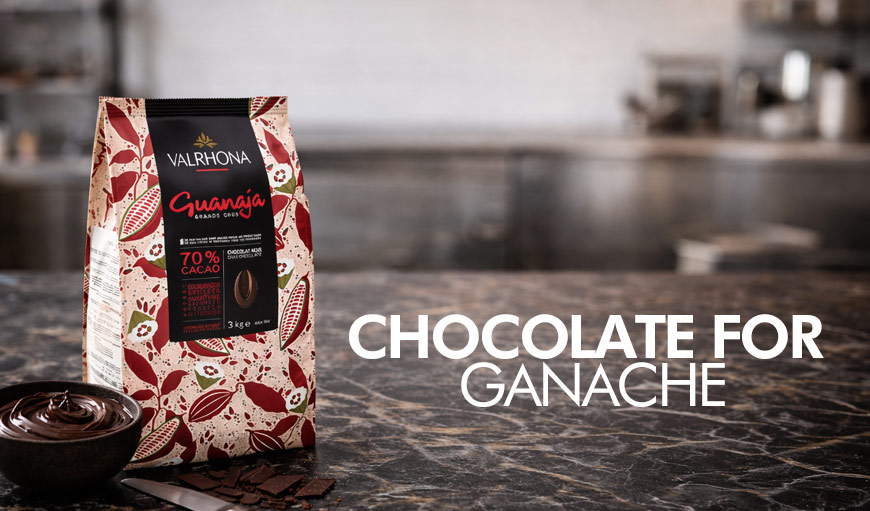
Guanaja 70% Dark Chocolate is a premium chocolate for ganache known for its intense cocoa notes and refined bitterness. It creates a firm and glossy ganache with strong flavor depth, ideal for gourmet desserts and truffles. Its superior composition ensures smooth melting and consistent results in high end pastry applications.
-
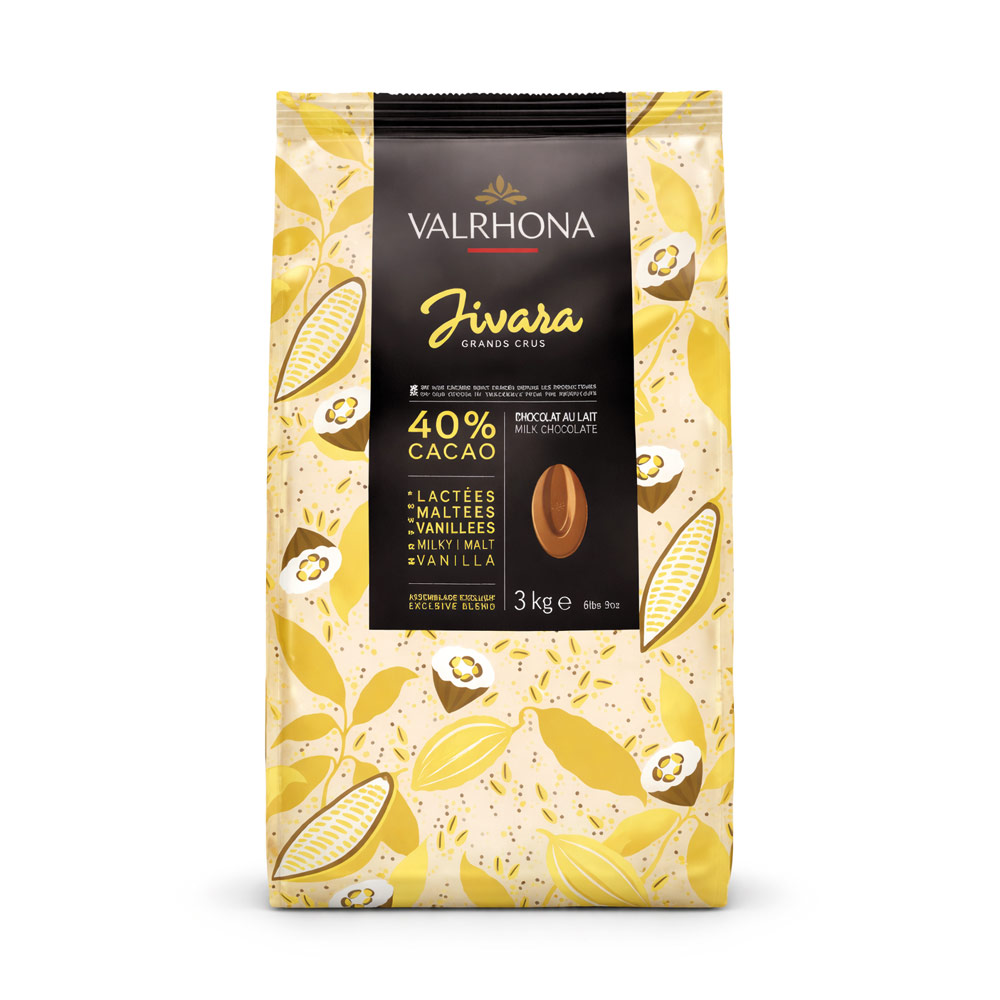
Jivara 40% Milk Chocolate
Jivara 40% Milk Chocolate is a refined chocolate for ganache offering smooth texture and light cocoa notes. Its lower cocoa percentage creates a softer ganache, perfect for fillings and whipped applications. With balanced sweetness and excellent fluidity, it delivers a silky finish that enhances both flavor and presentation.
-
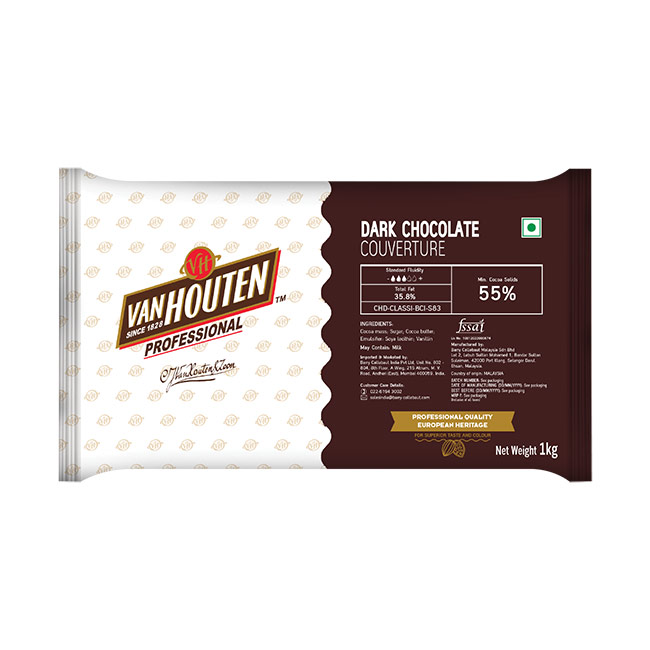
Van Houten 55% Dark Couverture
Van Houten 55% Dark Couverture is a reliable chocolate for ganache with balanced cocoa flavor and smooth melting behavior. It produces a stable and glossy texture suitable for everyday baking applications. Ideal for glazes and fillings, this couverture offers consistent performance while maintaining cost efficiency for professional kitchens.
-
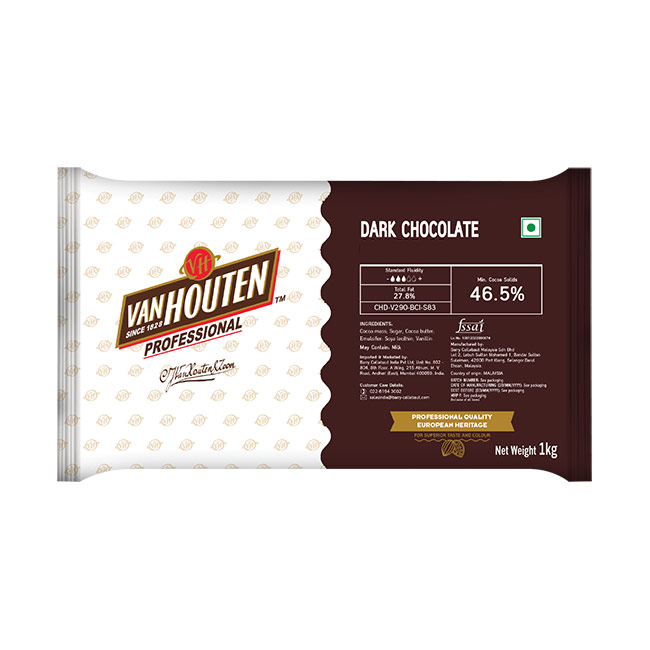
Van Houten 46.5% Dark Couverture
Van Houten 46.5% Dark Couverture is a mild chocolate for ganache suited for lighter flavor profiles. Its lower cocoa content results in a softer texture, making it ideal for creamy fillings and beginner friendly recipes. The smooth melt and easy handling ensure consistent ganache preparation with balanced taste.
-
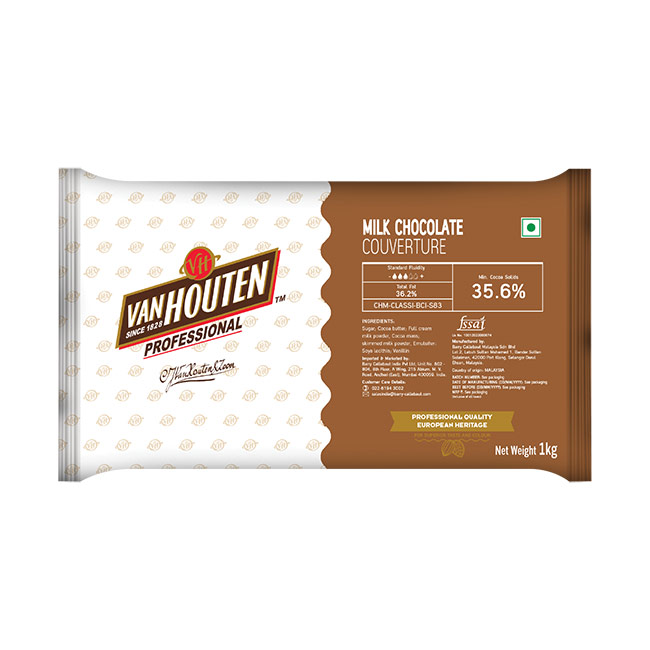
Van Houten Milk Couverture
Van Houten Milk Couverture is a smooth chocolate for ganache that creates creamy and rich textures. Its balanced sweetness and fluidity make it suitable for fillings, frostings, and layered desserts. Easy to work with and consistent in performance, it is a practical option for bakers seeking reliable results in daily production.
Choosing the right chocolate for ganache depends on application, not price. A well balanced couverture delivers better shine, texture, and taste. Always test small batches to fine tune ratios and consistency. With the right selection, ganache becomes predictable, smooth, and easy to control across different baking needs.
Role of Chocolate Fluidity in Ganache Texture
Chocolate fluidity plays a key role in determining how ganache behaves during mixing, pouring, and setting. It refers to how easily melted chocolate flows, which directly affects the final texture and finish. Even with the correct ratio, using chocolate with the wrong fluidity can lead to ganache that is too thick, too runny, or difficult to work with.
High fluidity chocolate contains more cocoa butter, allowing it to melt smoothly and blend easily with cream. This results in a glossy, pourable ganache that spreads evenly and creates clean finishes. It is ideal for applications where flow and shine are important, such as glazes and drips.
Lower fluidity chocolate produces a thicker ganache with more structure. It sets faster and holds shape better, making it suitable for fillings and molded preparations. However, it requires careful mixing to maintain smoothness and avoid uneven texture.
Understanding chocolate fluidity for ganache helps bakers control consistency without over adjusting ratios. By selecting the right fluidity level, it becomes easier to achieve the desired texture while maintaining a smooth and professional finish across different applications.
Common Mistakes When Making Ganache
Even with the right chocolate for ganache, small mistakes can affect texture, shine, and consistency. Understanding where things go wrong helps in achieving smooth and reliable results every time.
- Overheating the Cream or Chocolate
Heating cream beyond the required temperature can scorch fats and affect emulsification, while overheated chocolate can lose its structure. This leads to dull, grainy ganache instead of a smooth finish. Always heat cream until just hot, not boiling, and allow gentle melting for best results. - Incorrect Chocolate to Cream Ratio
Using the wrong ratio can result in ganache that is too thick, too thin, or unstable. A slight imbalance changes how ganache sets and behaves. It is important to adjust ratios based on chocolate type and cocoa percentage to maintain proper consistency. - Using Low Quality Chocolate
Not all chocolate is suitable for ganache. Compound chocolate lacks cocoa butter, which affects emulsification and shine. Choosing high quality couverture ensures better texture, improved gloss, and a more refined flavor in the final preparation. - Improper Emulsification
Ganache requires proper mixing to bind chocolate and cream into a smooth emulsion. Stirring too aggressively or too little can lead to separation or uneven texture. Gentle mixing from the center outward helps create a stable and glossy mixture. - Water Contamination
Even a small amount of water can cause chocolate to seize, resulting in a thick and grainy texture. This often happens when utensils are not completely dry. Ensuring a dry working environment is essential for smooth ganache preparation. - Skipping Resting Time
Ganache needs a short resting period after pouring cream over chocolate. This allows heat to distribute evenly and supports proper melting. Rushing the process can lead to incomplete emulsification and uneven texture.
Each of these mistakes is easy to avoid with a careful approach. Once corrected, ganache becomes a predictable and consistent element in baking, delivering the smooth texture and glossy finish expected in professional desserts.
Step by Step Process to Make Perfect Ganache
Making ganache is simple in concept, but precision in each step ensures a smooth, glossy, and stable result. The process focuses on controlled heat, proper emulsification, and careful handling to achieve a professional finish.
- Heat the Cream Correctly
Warm the cream until it is hot but not boiling. Overheating can affect the fat structure and lead to a broken ganache. The ideal temperature allows chocolate to melt gently without losing its texture. - Pour Over Chocolate Evenly
Place finely chopped chocolate in a bowl and pour the hot cream over it. Ensure the chocolate is fully covered so that heat distributes evenly across the surface for uniform melting. - Allow Resting Time
Let the mixture sit undisturbed for a minute. This step helps soften the chocolate evenly and prevents the need for aggressive mixing later, which can affect texture. - Mix Gently to Emulsify
Start stirring slowly from the center, gradually combining chocolate and cream. This creates a stable emulsion and results in a smooth, glossy ganache without air bubbles. - Enhance with Butter if Needed
Adding a small amount of butter at the end improves shine and richness. This step is optional but often used in professional baking for a refined finish. - Cool Based on Application
Allow the ganache to cool to the desired consistency before use. Warmer ganache is suitable for pouring, while slightly cooled ganache works better for spreading or piping.
For more variations, techniques, and advanced applications, explore this detailed recipe guide on Chocolate Ganache Recipes & Tips: The Ultimate Guide. It covers multiple recipes and expert tips to help you refine your ganache further and adapt it across different baking styles.
Storage and Shelf Life Tips
Proper storage is essential to maintain the texture, shine, and flavor of ganache. Even when prepared with the right chocolate for ganache, incorrect storage can affect consistency and reduce shelf life. A controlled environment helps preserve its smooth structure and prevents separation or spoilage.
- Store in Airtight Containers
Always keep ganache in a clean, airtight container to prevent exposure to air and moisture. This helps retain freshness and avoids odor absorption from surrounding ingredients. - Maintain Ideal Temperature
Ganache can be stored at room temperature for short durations in cool conditions. For longer storage, refrigeration is recommended. Avoid frequent temperature changes as they can affect texture and stability. - Refrigeration Guidelines
When refrigerated, ganache becomes firm. Before use, allow it to return to room temperature gradually. This helps restore its original smooth consistency without breaking the emulsion. - Reheating Carefully
Reheat ganache gently using a double boiler or short microwave intervals. Avoid overheating, as it can cause separation or loss of shine. Stir slowly to bring back a smooth texture. - Shelf Life Consideration
Fresh ganache typically lasts up to two days at room temperature and up to one week under refrigeration. Shelf life may vary based on cream content and storage conditions.
By following these simple practices, ganache remains consistent and easy to work with, ensuring reliable results in both professional and home baking setups.
FAQs About Chocolate for Ganache
Ganache often raises practical questions, especially when aiming for consistent and professional results. These answers address common concerns and help refine your approach to working with chocolate for ganache.
- Which chocolate is best for ganache?
Couverture chocolate is the best choice for ganache because of its high cocoa butter content. It melts smoothly and forms a stable emulsion with cream, resulting in a glossy and smooth finish. Professional options like Callebaut, Valrhona, and Van Houten Professional deliver consistent texture and reliable performance. - Can compound chocolate be used for ganache?
Compound chocolate can be used, but it does not offer the same texture or shine as couverture. Since it contains vegetable fats instead of cocoa butter, the ganache may feel heavier and less smooth. It works for basic use but is not ideal for achieving professional quality results. - Why does ganache split or turn grainy?
Ganache splits when chocolate and cream fail to emulsify properly. This usually happens due to overheating, incorrect ratios, or improper mixing. Maintaining the right temperature and stirring gently from the center helps create a smooth and stable ganache. - How can you fix broken ganache?
Broken ganache can be fixed by adding a small amount of warm cream gradually while mixing gently. This helps rebind the fat and liquid, restoring a smooth texture. Avoid adding too much liquid at once to prevent further imbalance. - What is the ideal cocoa percentage for ganache?
A cocoa percentage between 50% and 70% works well for most ganache applications. Lower percentages create a softer and sweeter texture, while higher percentages result in a firmer and more intense ganache suitable for structured desserts. - How to achieve a glossy ganache finish?
A glossy ganache requires high quality couverture chocolate, correct ratios, and proper emulsification. Gentle mixing and controlled temperature help maintain shine. Adding a small amount of butter at the end can further enhance smoothness and visual appeal.
These insights help simplify ganache preparation and make it easier to achieve consistent, smooth, and glossy results across different recipes.
Conclusion
Creating the perfect ganache comes down to a few key fundamentals that we have explored throughout this guide. From understanding what ganache is and how it works, to learning the importance of ratios, fluidity, and technique, each element plays a role in achieving a smooth and glossy finish. Small details such as temperature control, proper emulsification, and avoiding common mistakes can make a significant difference in your final result.
One of the most important takeaways is the role of chocolate for ganache. The type and quality of chocolate you choose directly impact texture, shine, and consistency. Couverture chocolate stands out because of its higher cocoa butter content, which helps create a stable and refined ganache. Trusted brands like Valrhona, Callebaut, and Van Houten Professional offer reliable performance, balanced flavor, and consistent results across different applications.
Whether you are working on cake fillings, glazes, or truffles, selecting the right chocolate and adjusting ratios based on your application allows you to control the outcome with confidence. Once you understand how chocolate behaves, ganache becomes easier to manage and repeat with precision.
Now it is your turn to apply these insights in your kitchen. Start experimenting with different types of chocolate for ganache, test small batches, and refine your technique. With the right approach and quality ingredients, you can consistently create ganache that looks polished, tastes rich, and elevates every dessert you make.
Related Blog to Follow
Are you still looking for more interesting tips and idea on baking, lovely just follow our blog.
-
03-09-2023
A Guide to Baking with Whole Wheat Flour
Master the art of baking with whole wheat flour. Discover tips, recipes, and health benefits in this comprehensive guide....
View Detail -

13-03-2025
Rising Bread Trends: The Future of Baking
Discover the latest bread trends, from classic favorites to innovative varieties shaping the future of baking.....
View Detail -

28-05-2025
Pepper Crusher Buying Guide
Discover how to choose the best pepper crusher for your kitchen. Explore types, features, maintenance tips, and top wood....
View Detail