


Fondant Moulds for Cakes Guide: Types, Uses and Tips
23-04-2026
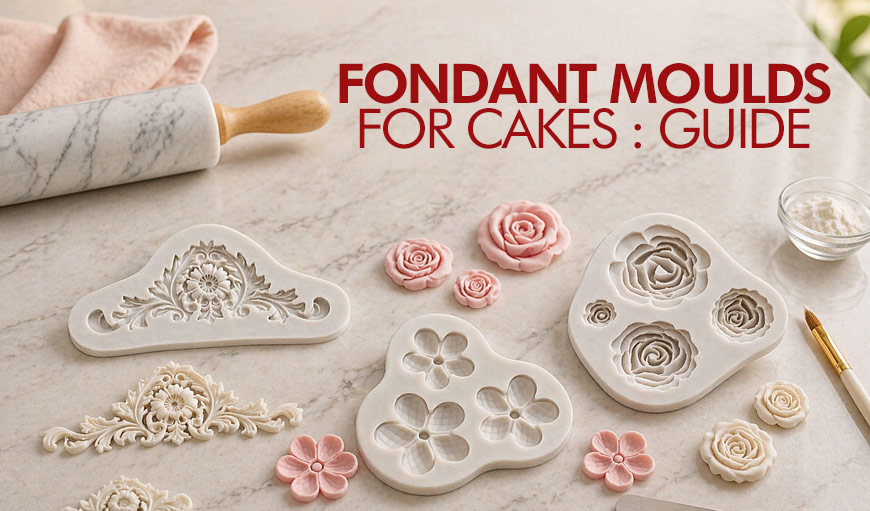
Fondant moulds for cakes have transformed the way bakers approach cake decorating, making it easier to achieve clean, detailed, and professional designs without complex techniques. Whether you are working on celebration cakes, themed desserts, or premium custom orders, the right mould can help you create consistent results with minimal effort while maintaining a refined finish.
Cake presentation today plays a critical role in how a product is perceived, especially in a market where visual appeal often influences buying decisions. Fondant moulds for cake decorating allow bakers to move beyond basic finishes and introduce textures, patterns, and intricate elements that elevate the overall design. From delicate floral impressions to bold geometric patterns, these tools open up creative possibilities that were once time consuming to achieve by hand.
For both professional kitchens and home baking setups, efficiency and consistency are essential. Fondant moulds not only reduce production time but also ensure that every design element looks uniform across multiple cakes. This becomes especially valuable when handling bulk orders, festive collections, or bakery display items where precision matters.
At Bakerykart, you can explore a wide range of fondant moulds designed to suit different baking styles and requirements. With easy online access and reliable delivery across India, sourcing high quality cake decorating tools has become simple and convenient. This guide will help you understand how fondant moulds work, how to use them effectively, and how to choose the right options for your baking needs.
What is a Fondant Mould
A fondant mould is a specialized cake decorating tool designed to shape fondant and similar materials into detailed patterns and structures with precision. It is typically made from food grade silicone or flexible plastic, allowing bakers to press soft material into the mould and release it easily without damaging the design. This simple yet effective tool helps achieve intricate finishes that would otherwise require advanced hand sculpting skills.
Fondant moulds for cake decorating are widely used to create elements such as flowers, lace patterns, borders, figures, and themed decorations. These moulds are crafted with fine detailing, which transfers directly onto the fondant surface, resulting in clean and professional impressions. For bakers working on celebration cakes or customized orders, this level of detail enhances the overall visual appeal and adds value to the final product.
Unlike cutters that only provide basic shapes, a fondant mould captures texture, depth, and structure in a single step. This makes it a preferred choice for decorators who want to maintain consistency across multiple cakes while reducing manual effort. Whether you are creating a single cake or handling bulk orders, the ability to replicate designs accurately is a major advantage.
Another key aspect of fondant moulds is their versatility. They can be used with a variety of materials such as gum paste, modelling chocolate, and even marzipan, depending on the design requirement. This flexibility allows bakers to experiment with different textures and finishes while using the same tool.
In professional baking setups as well as home kitchens, fondant moulds have become an essential part of the decorating process. They simplify complex designs, improve efficiency, and help bakers deliver polished results that meet modern presentation standards.
Why Bakers Use Fondant Moulds in Cake Decorating?
Fondant moulds have become a core part of modern cake decorating because they help bakers achieve professional results with better control and efficiency. In a space where presentation directly influences customer decisions, having tools that deliver precision and consistency can elevate the overall quality of cakes. Fondant moulds for cakes make it easier to translate creative ideas into clean and structured designs without depending entirely on advanced hand skills.
Bakers across different levels use fondant moulds for cake decorating because they simplify the process while maintaining high visual standards. The benefits go beyond just design, impacting workflow, productivity, and overall output quality.
- Consistent design output : Ensures every decorative element looks identical across multiple cakes, which is important for bulk orders and professional presentation.
- Faster production time : Reduces the time required to create intricate patterns, allowing bakers to complete more orders efficiently.
- Ease of use for all skill levels : Helps beginners achieve clean results while enabling experienced bakers to execute complex designs quickly.
- Detailed and precise finishing : Transfers fine textures and patterns onto fondant, improving the overall look of the cake.
- Versatility across cake themes : Suitable for weddings, birthdays, festive cakes, and custom designs, making it a flexible tool in any baking setup.
- Supports multiple materials : Works well with fondant, gum paste, modelling chocolate, and more, allowing creative experimentation.
- Improves bakery presentation standards : Helps create cakes that look refined and premium, which strengthens brand perception and customer appeal.
In today’s competitive baking environment, tools that combine efficiency with creativity are essential. Fondant moulds allow bakers to maintain consistency, save time, and deliver visually impressive cakes that align with current decorating trends.
Types of Fondant Moulds for Cake Decorating
Fondant moulds for cakes are available in a wide range of designs, each created to serve a specific decorating purpose. Choosing the right type of mould helps bakers achieve the desired finish while aligning with the theme and style of the cake. Understanding these categories makes it easier to plan designs, improve efficiency, and select the right tools for different baking projects.
Each type of fondant mould for cake decorating brings a unique visual element, allowing bakers to move from simple designs to more refined and detailed creations without increasing complexity.
- Floral Moulds
Designed to create flowers such as roses, leaves, and blossoms with fine detailing. These moulds are widely used for wedding cakes and elegant celebration cakes where soft and intricate designs are required. - Pattern and Texture Moulds
Used to add surface detailing like quilted patterns, geometric textures, and embossed finishes. These moulds are ideal for modern cake designs where clean structure and symmetry are important. - Theme Based Moulds
Include designs for baby showers, birthdays, festive occasions, and seasonal themes. These moulds help bakers quickly create decorations that match specific events without manual sculpting. - Border and Lace Moulds
Perfect for decorating cake edges, tiers, and sides with continuous patterns. Lace moulds, in particular, are popular for premium cakes that require a delicate and refined finish. - 3D Moulds for Figures and Toppers
Used to create detailed shapes such as characters, figurines, or decorative toppers. These moulds are suitable for themed cakes where standout elements are required. - Multi Purpose Moulds
Flexible moulds that can be used with different materials such as fondant, chocolate, and gum paste. These are practical for bakers who want versatility without investing in multiple tools.
Selecting the right fondant mould depends on the type of cake, design complexity, and occasion. By combining different mould styles, bakers can build layered designs that look professional while maintaining efficiency in the decorating process.
Popular Materials You Can Use with Fondant Moulds
Fondant moulds for cakes are not limited to just fondant. One of the biggest advantages of using these moulds is their compatibility with a variety of edible materials, allowing bakers to experiment with textures, finishes, and flavors. Choosing the right material plays a key role in achieving the desired look and structure, especially when working on detailed cake decorations.
Understanding how different materials behave inside fondant moulds for cake decorating helps improve results and reduces the chances of breakage or loss of detail. Each material offers a unique finish and is suited for specific types of designs.
- Fondant
The most widely used material for moulds, fondant provides a smooth surface and captures fine details easily. It is ideal for decorative accents, borders, and toppers, especially for celebration cakes. - Gum Paste
Slightly firmer than fondant and dries faster, gum paste is perfect for delicate designs such as flowers and lace. It holds shape well and is often preferred for intricate work that needs structure. - Modelling Chocolate
Known for its flexibility, modelling chocolate is less prone to cracking and works well for sculpted elements. It is suitable for 3D designs and adds a rich chocolate finish to decorations. - Marzipan
With its almond base and firm texture, marzipan is commonly used in traditional cake decorating. It is easy to mould and provides a slightly softer detail compared to gum paste. - Candy Melts
These are melted and poured into moulds to create solid shapes. Candy melts are ideal for making decorative toppers and elements that require a firm and glossy finish. - Gelatin or Gummies
Used for creative and modern cake designs, gelatin based mixtures offer a flexible and slightly translucent look. They are suitable for novelty cakes and themed decorations. - Cookie Dough
A versatile option that allows bakers to create textured cookies using moulds. Firm dough works best to retain shape and is ideal for decorative biscuits and gifting items.
Using different materials with fondant moulds for cake decorating allows bakers to expand their creative approach while maintaining consistency. Selecting the right material based on the design and application ensures better results and enhances the overall presentation of cakes and desserts.
How to Use a Fondant Mould for Cake
Using fondant moulds for cakes becomes simple and efficient when the process is followed step by step. Whether you are creating detailed toppers or subtle decorative accents, the right approach ensures clean impressions and consistent results. Fondant moulds for cake decorating are designed to simplify complex designs, but proper handling makes a noticeable difference in the final finish.
- Step 1: Prepare the fondant or material
Knead the fondant until it becomes smooth and pliable. This helps the material spread evenly inside the mould and capture fine detailing without cracks. - Step 2: Prepare the mould surface
Lightly dust the mould with cornflour or apply a food safe release agent. This prevents sticking and allows easy removal of the design. - Step 3: Fill the mould evenly
Press the fondant firmly into the mould using your fingers or a flat tool. Ensure that all cavities are filled properly so that the design transfers clearly. - Step 4: Remove excess fondant
Trim off any extra material from the top surface. This creates clean edges and improves the overall appearance of the moulded piece. - Step 5: Demould carefully
Gently flex the mould and release the fondant shape slowly. Avoid applying force, especially for delicate patterns, to prevent distortion. - Step 6: Allow the design to set
If required, let the moulded piece rest for a short time so it firms up slightly. This helps maintain structure when handling. - Step 7: Attach to the cake
Use edible glue or a small amount of water to fix the decoration onto the cake surface. Position it carefully based on your design layout. - Step 8: Add finishing touches
Enhance the design with edible colors, dusting powders, or metallic highlights to achieve a refined and professional look.
With a structured approach, fondant moulds for cake decorating can deliver precise and repeatable results. This method helps bakers maintain consistency while creating visually appealing cakes with minimal effort.
Best Fondant Moulds for Cakes
Choosing the right fondant moulds for cakes plays a key role in achieving professional results across different cake styles and occasions. At Bakerykart, you can explore a curated range of fondant moulds for cake decorating that combine quality, precision, and versatility. These moulds are designed to help bakers create detailed decorations with ease, whether working on custom cakes, themed designs, or bulk production.
Below is a selection of popular fondant moulds available online, each suited for specific design applications and baking needs.
-
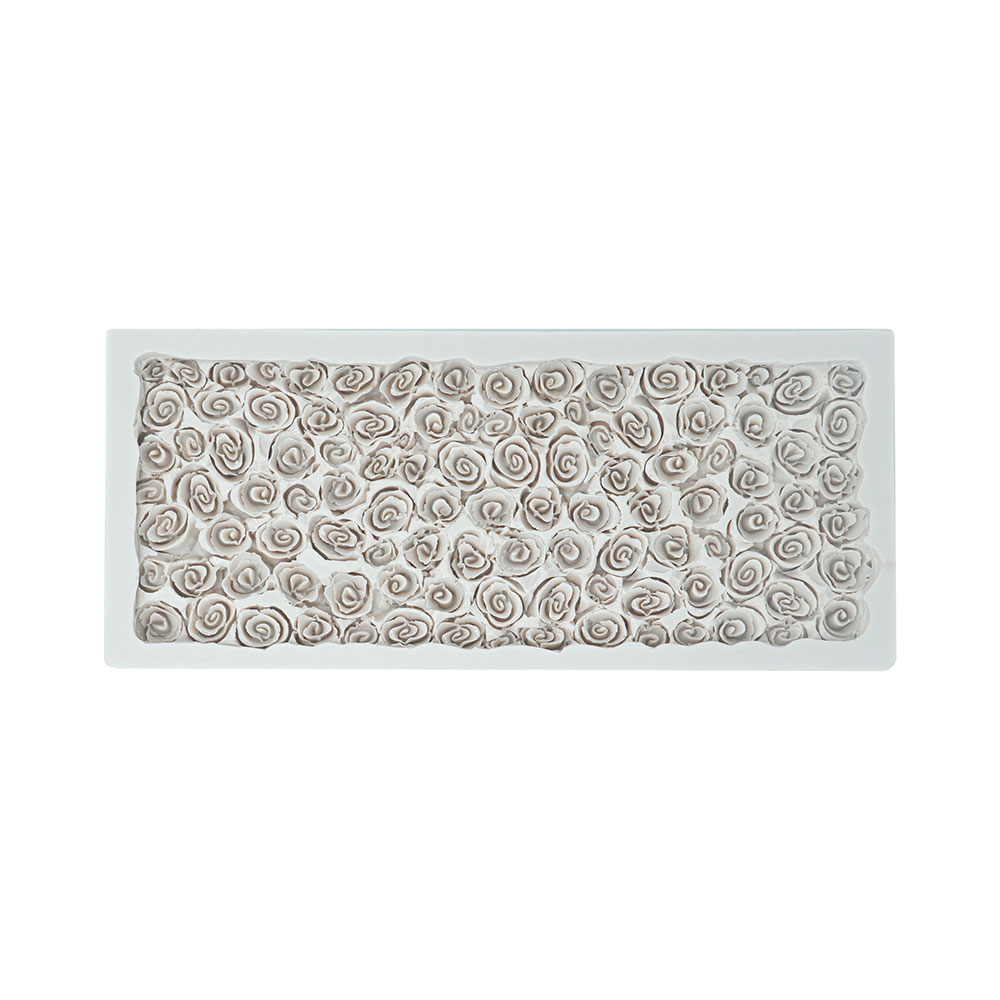
Rose Texture Fondant Mould
Rose Texture Fondant Mould is a beautiful choice for bakers who want soft floral detailing on cakes, cupcakes, and dessert accents. The mould helps create consistent rose patterns with clean texture, making it suitable for wedding cakes, anniversary cakes, and elegant celebration themes. It works well with fondant, gum paste, and modelling chocolate for refined decorative finishing.
-

Sea Element 2 Fondant Mould
Sea Element 2 Fondant Mould is ideal for creating ocean inspired cake decorations with a playful and creative finish. It suits beach cakes, under the sea themes, and birthday cakes that need shells or marine style detailing. Bakers can use it to prepare sharp edible accents quickly while keeping the design neat, themed, and visually engaging.
-
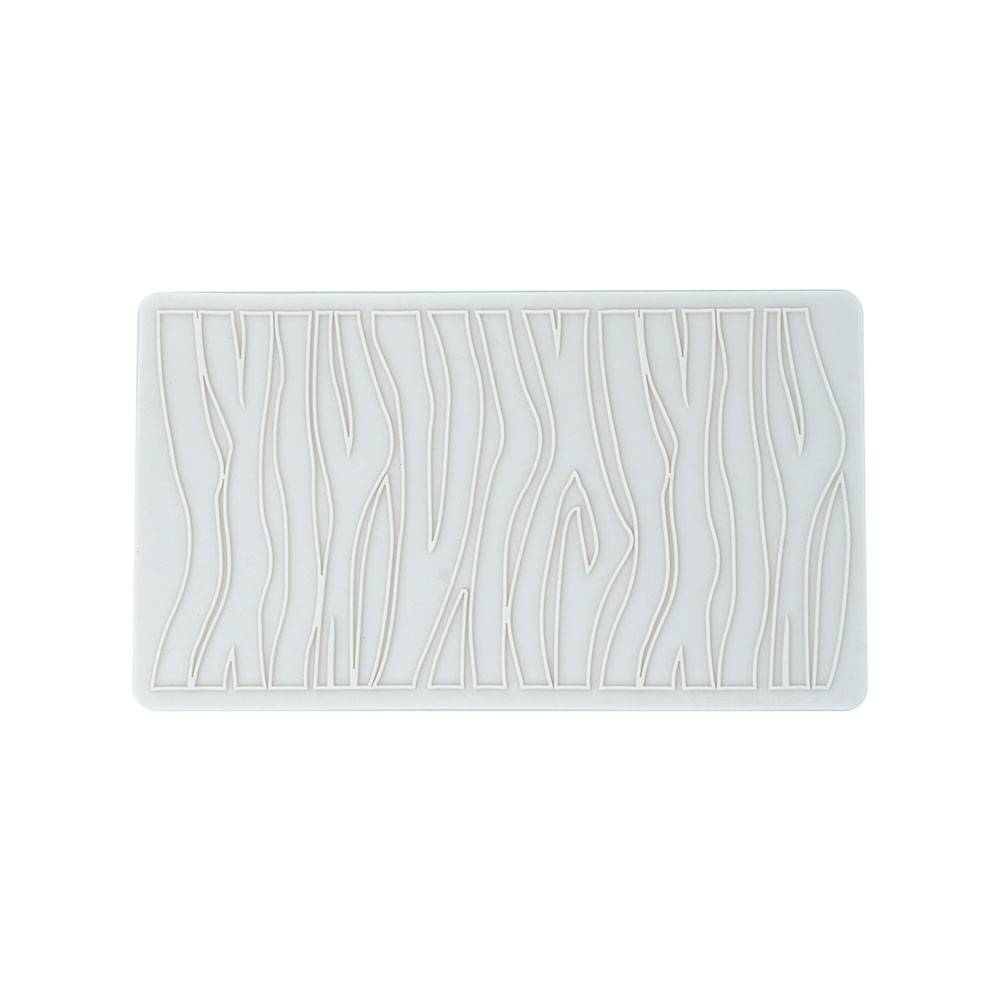
Wood Texture Fondant Mould
Wood Texture Fondant Mould helps bakers create a realistic wood grain effect for rustic and nature inspired cakes. It is perfect for artisan cake themes, woodland celebration cakes, and decorative panels that need a raw textured finish. The mould adds character to fondant surfaces and helps achieve consistent detailing without spending extra time carving by hand.
-
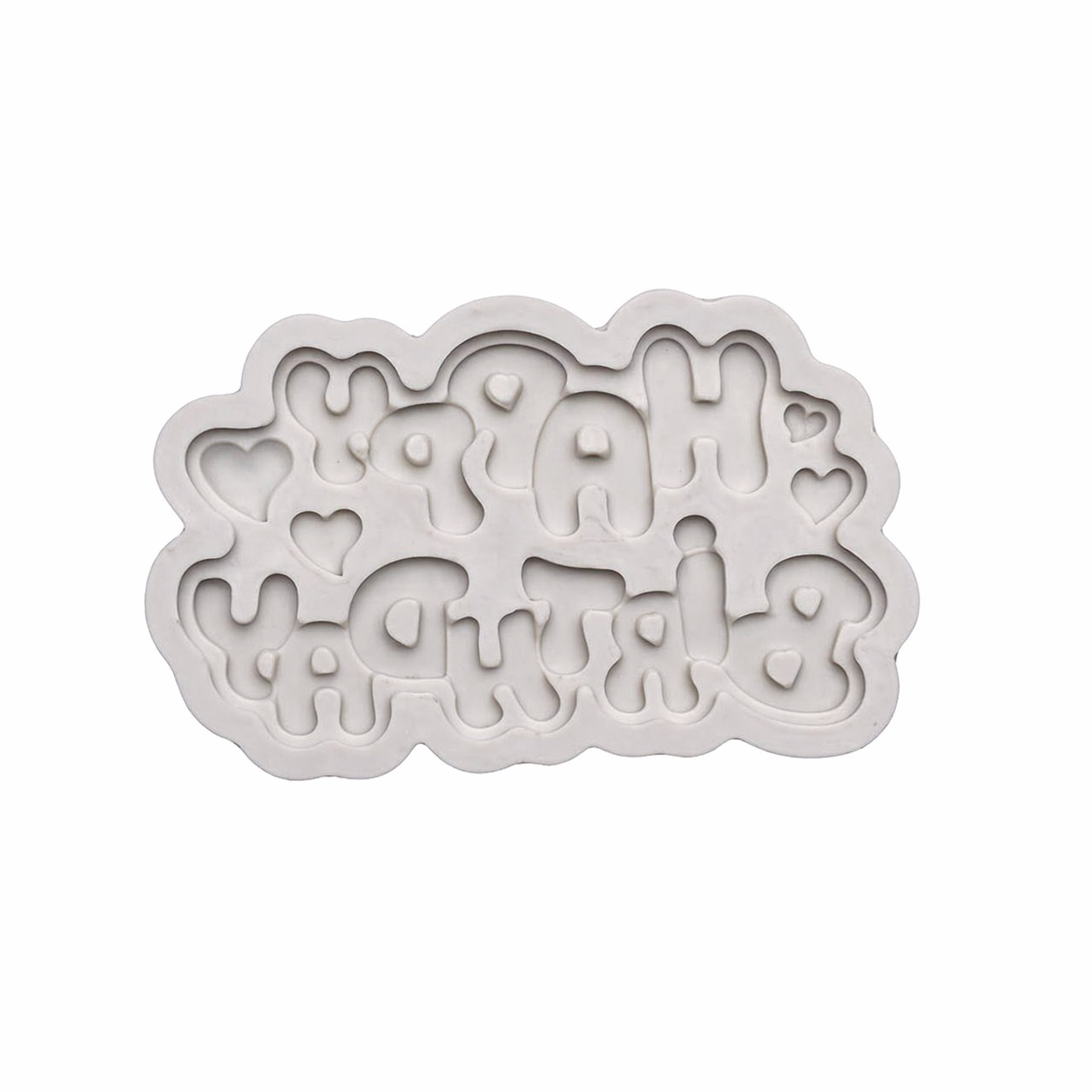
Round Happy Birthday Fondant Mould
Round Happy Birthday Fondant Mould is a practical option for bakers who want a ready message topper with a polished finish. It helps create neat birthday decorations for cakes without the hassle of shaping letters individually. This mould works well for quick customisation, adds a celebratory focal point, and suits a wide range of birthday cake styles.
-
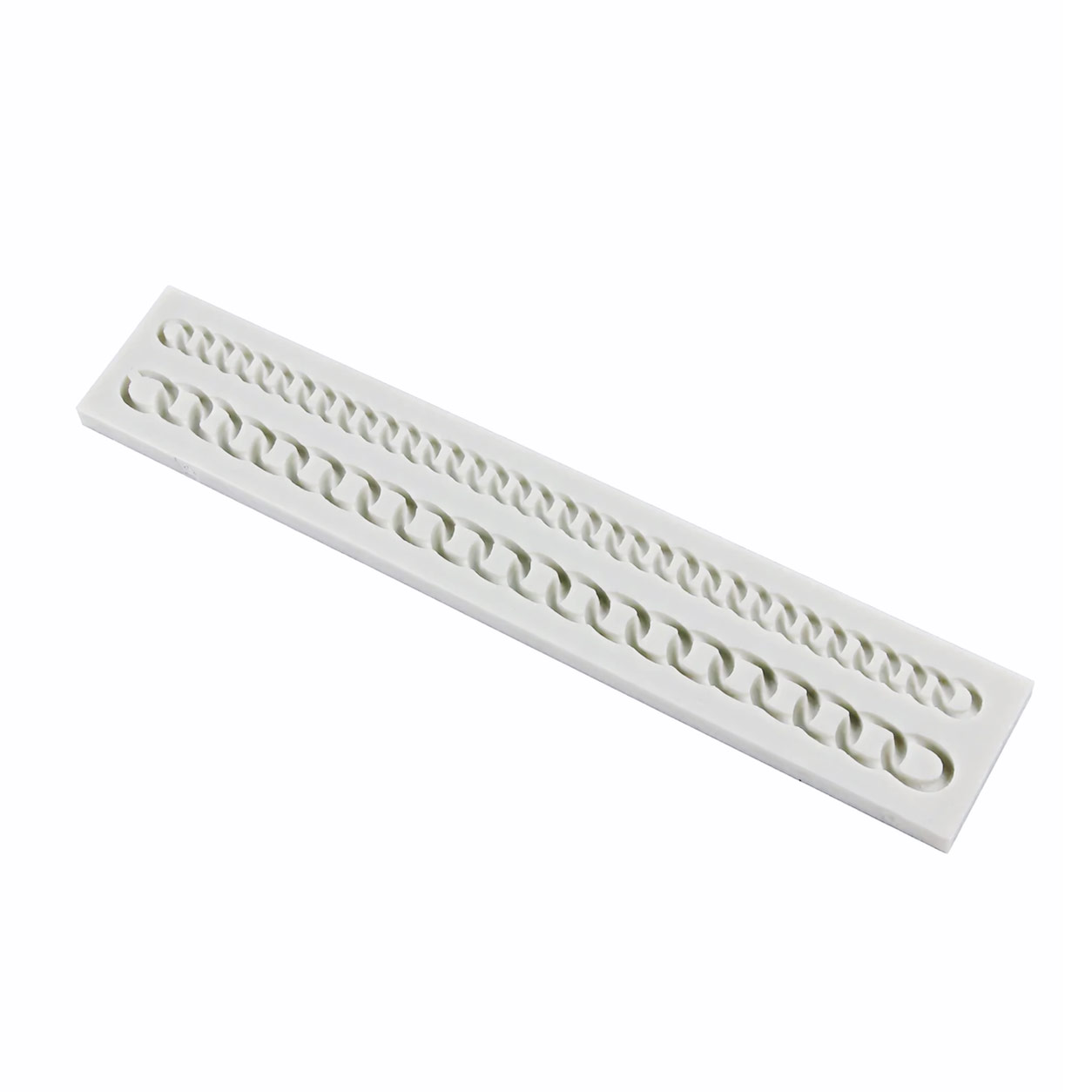
Chain Fondant Mould
Chain Fondant Mould is a stylish decorating tool for fashion inspired, luxury themed, and designer cakes. It helps bakers create detailed chain patterns that look clean and consistent on handbags, accessories, or modern celebration cake concepts. This mould is especially useful for adding dimension and a premium look to fondant decorations with minimal manual shaping effort.
-
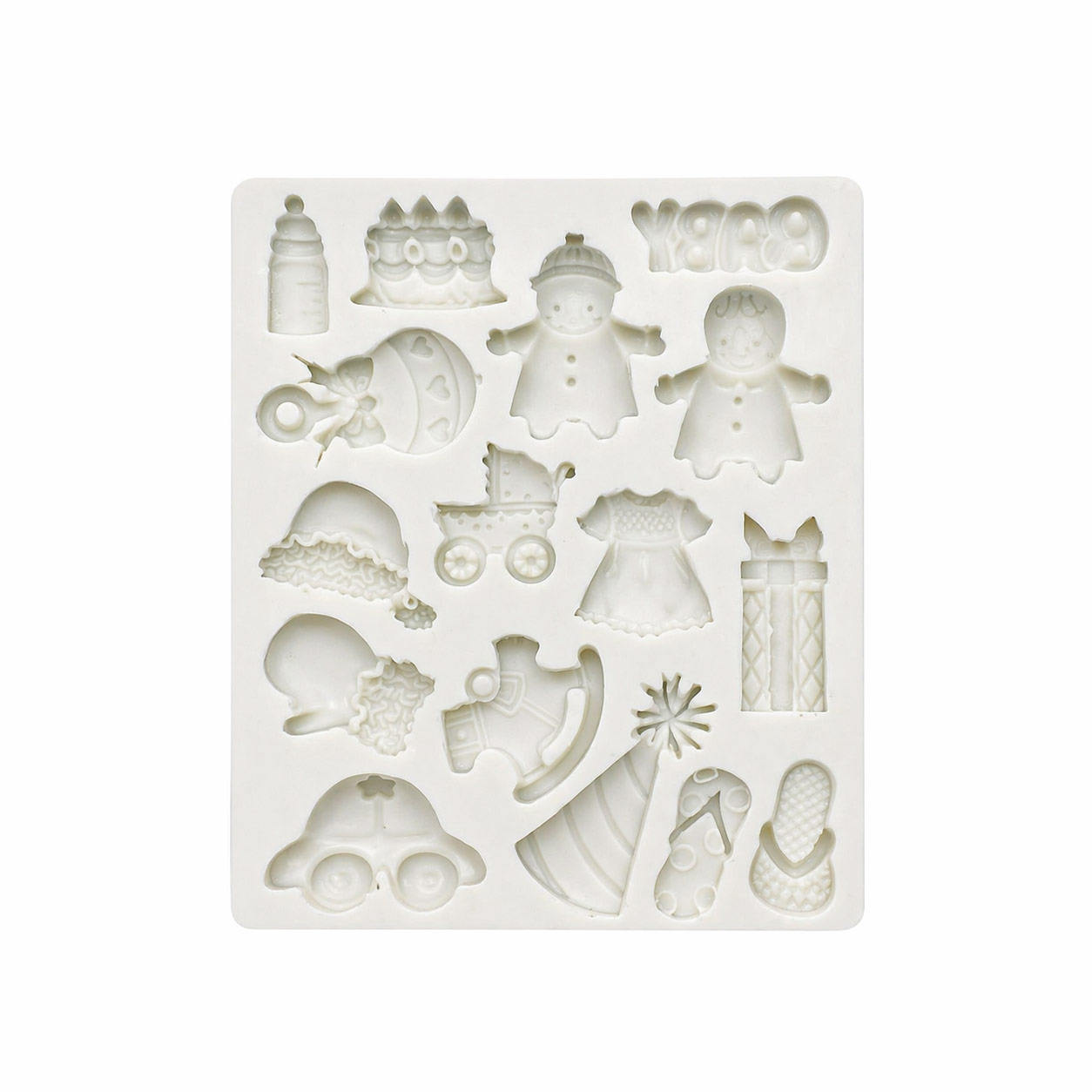
Baby Shower Fondant Mould
Baby Shower Fondant Mould is a great pick for bakers creating cakes for newborn celebrations and gender reveal events. The mould helps form cute themed toppers that bring softness and charm to cake designs. It is useful for fondant and gum paste decorations, making it easier to build coordinated cake styling for baby shower dessert tables.
-
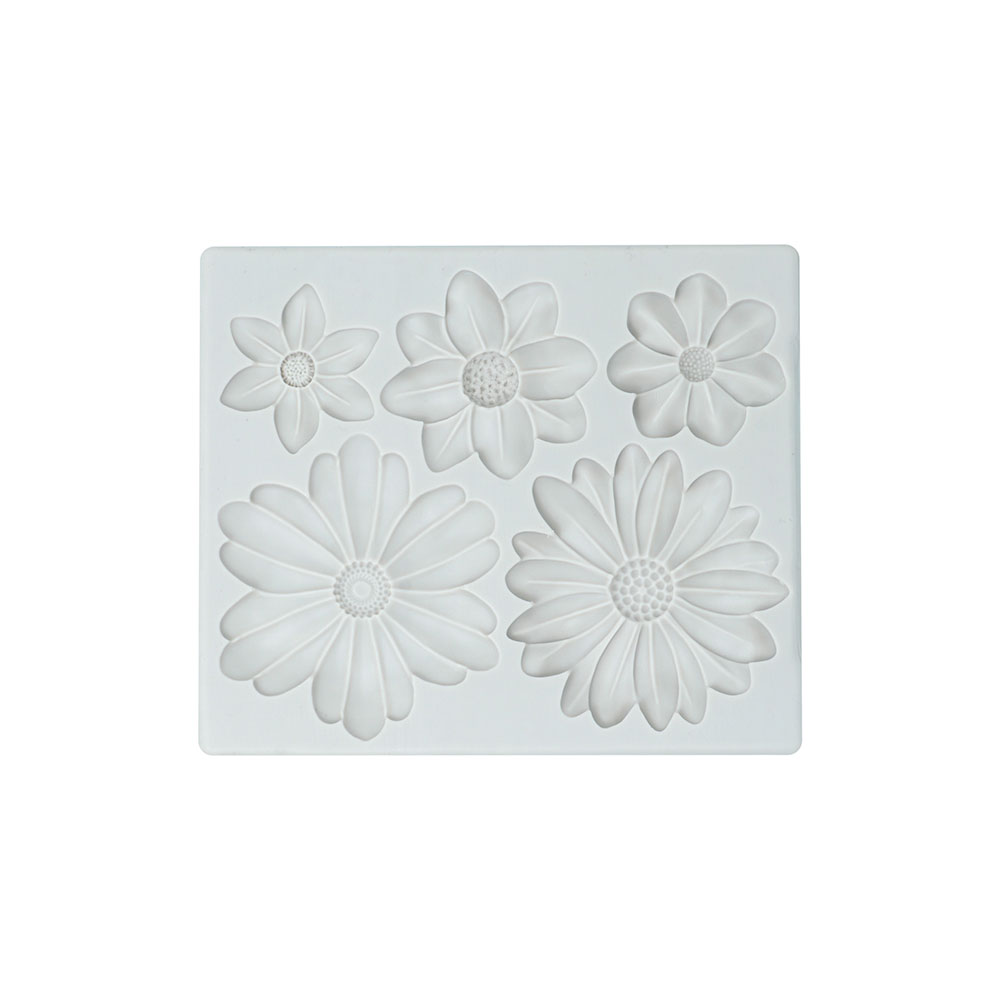
5 Sunflower Fondant Mould
5 Sunflower Fondant Mould is designed for bright floral cake decoration that instantly adds freshness and visual appeal. It helps bakers create sunflower accents with uniform detailing for rustic cakes, garden themes, and festive desserts. The mould is useful when you want cheerful edible flowers that look consistent across cupcakes, tiered cakes, and decorative dessert elements.
-
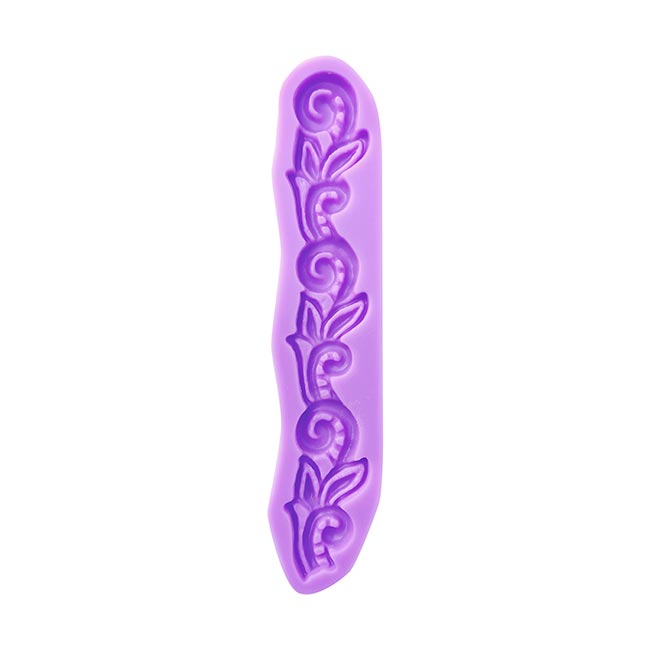
3D Lace Mould - 135
3D Lace Mould 135 is ideal for bakers who want elegant lace detailing on wedding cakes, engagement cakes, and premium celebration designs. The mould creates fine decorative patterns that enhance cake borders, panels, and side finishes. It offers a refined look with better consistency, helping decorators achieve intricate lace styling without relying on advanced piping or hand cutting.
-

3D Border Mould - 110
3D Border Mould 110 is a useful decorating tool for bakers who want clean edge detailing on cakes. It helps create continuous border patterns that frame tiers beautifully and improve the overall structure of the design. Ideal for celebration cakes and formal designs, this mould adds neat finishing touches while reducing the time needed for repetitive manual work.
-
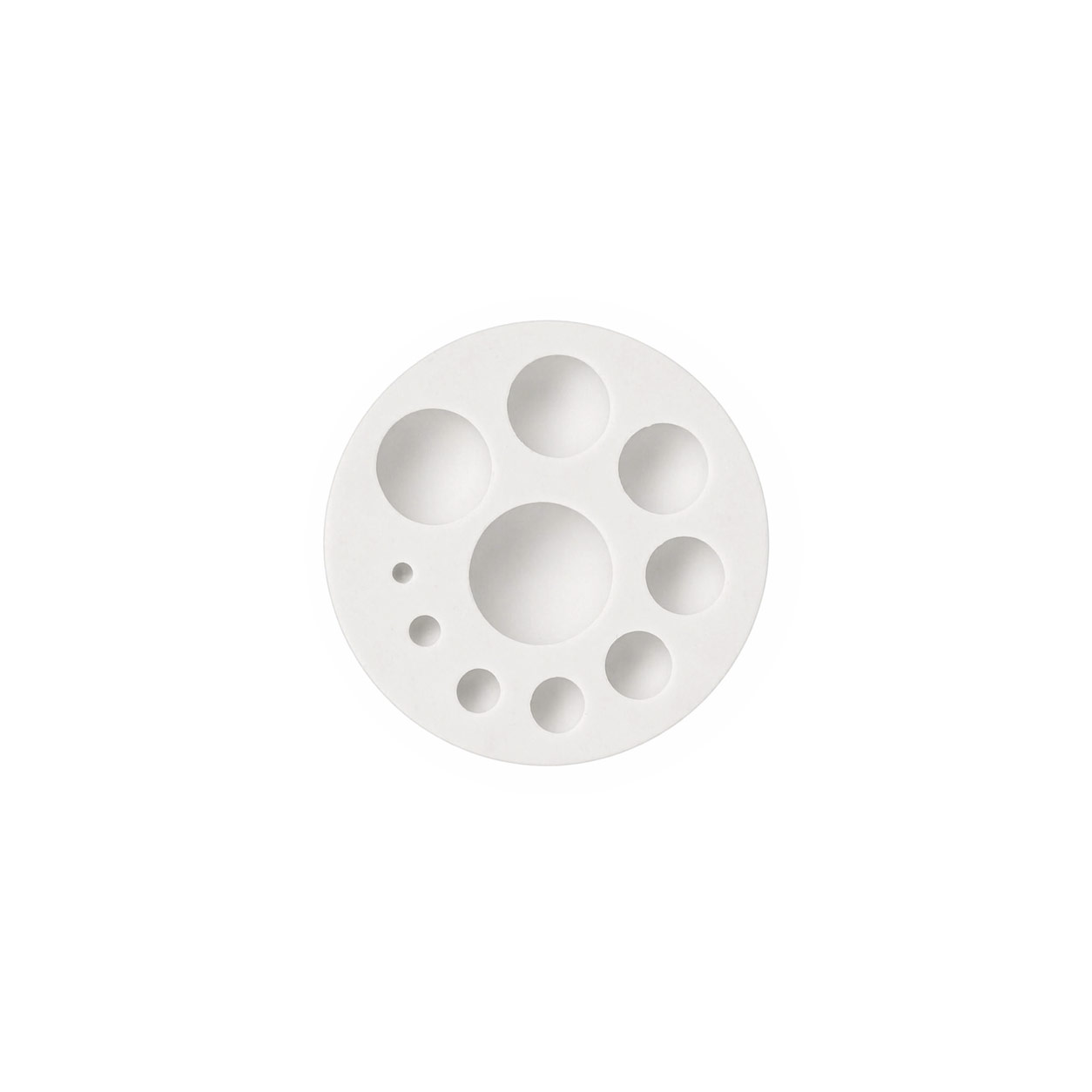
Small Sphere Fondant Mould
Small Sphere Fondant Mould helps bakers create uniform round accents for contemporary cake styling. These tiny sphere details work well for borders, abstract textures, and minimal modern cake themes. The mould is practical for decorators who want clean shapes with consistency, making it easier to add dimension and visual balance across cakes, cupcakes, and plated desserts.
-
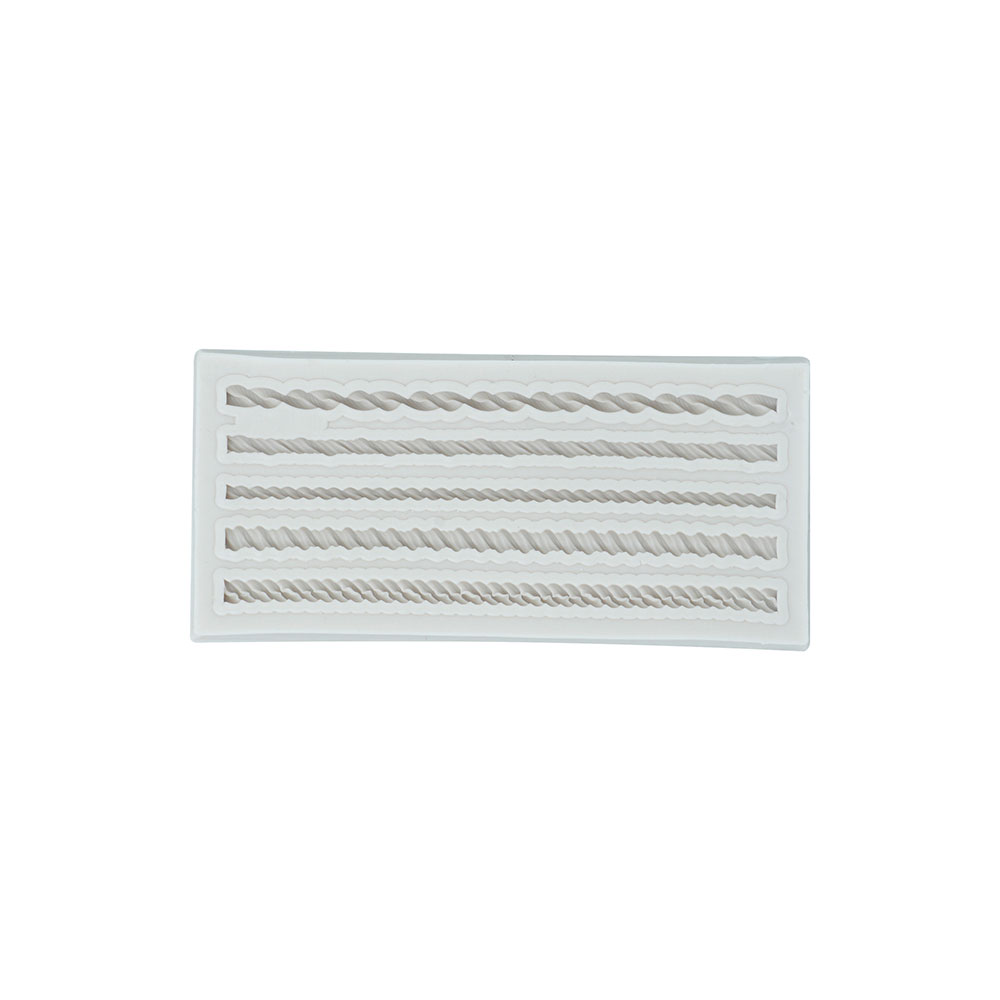
Small Rope Fondant Mould
Small Rope Fondant Mould is perfect for bakers looking to add classic rope detailing to cake borders and design frames. It creates neat twisted patterns that suit both traditional and modern cakes. This mould is especially useful when you want decorative edging that looks clean, balanced, and repeatable across multiple tiers or matching dessert pieces.
-
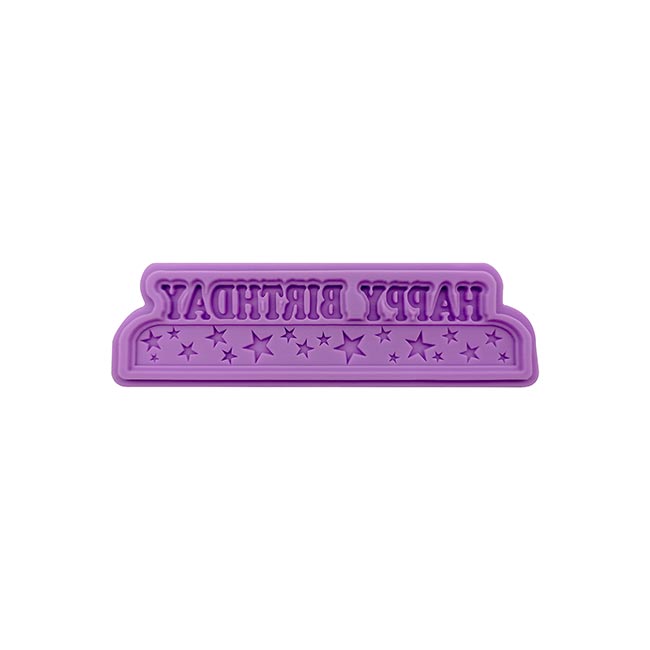
Happy Birthday - 164
Happy Birthday 164 is a convenient fondant mould for creating celebration messages with clarity and consistency. It helps bakers add a neat statement element to cakes while saving time on letter cutting and arrangement. Suitable for birthday cakes across styles, this mould supports quick decoration planning and gives the finished cake a more complete presentation.
-
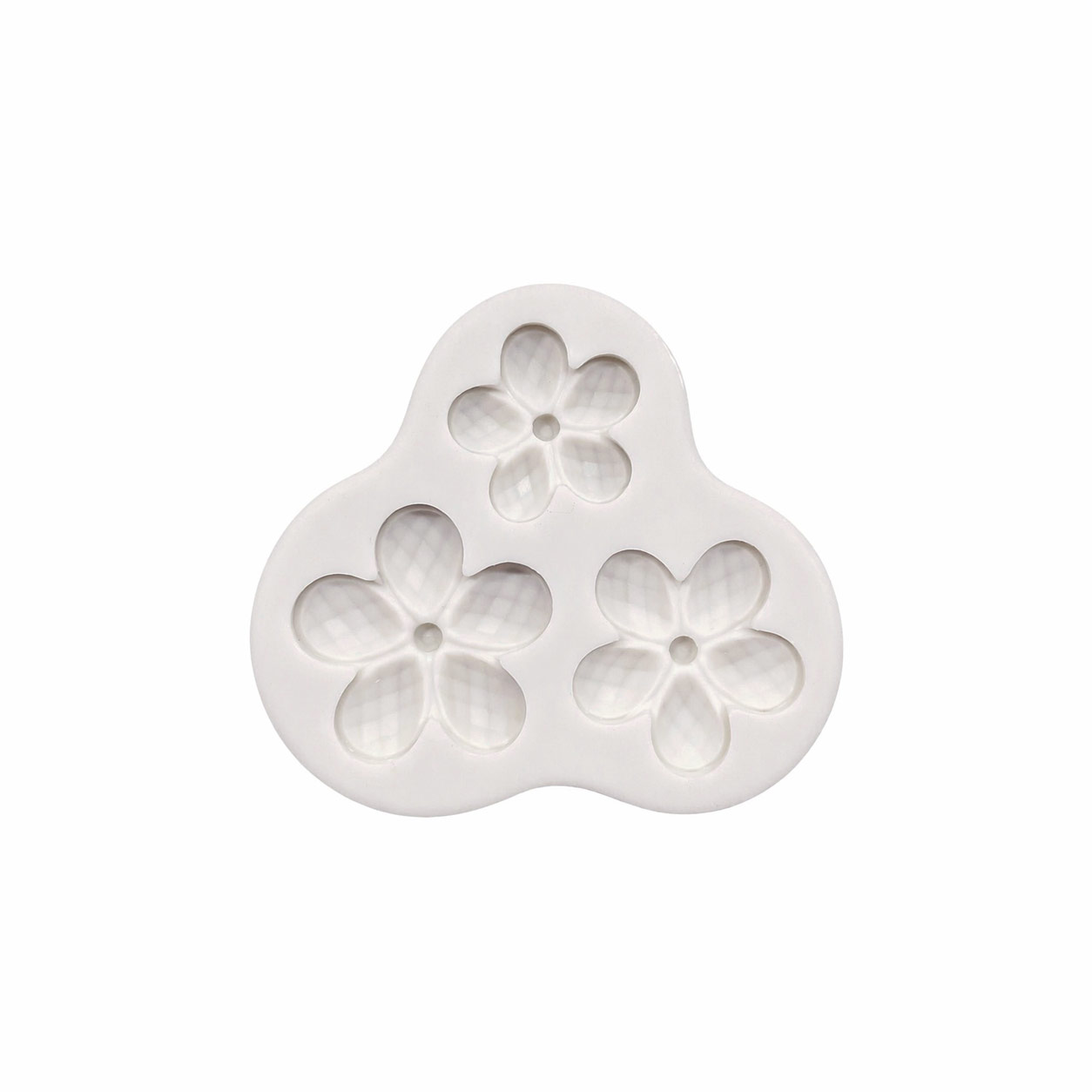
Gem Fondant Mould
Gem Fondant Mould is a smart choice for bakers creating luxury cakes, jewel themes, or glamorous celebration designs. It helps form gem shaped edible decorations that add shine, texture, and depth to the cake surface. The mould is useful for statement cakes where sharp detailing and a premium visual effect are important to the final presentation.
-

Floral Texture Fondant Mould
Floral Texture Fondant Mould helps bakers add soft botanical detailing to fondant surfaces with ease. It is ideal for creating elegant cake panels, floral overlays, and textured decorative accents that suit weddings and premium occasion cakes. The mould supports consistent design output and gives decorators a reliable way to build graceful finishes on fondant covered cakes.
-

Doll Fondant Mould
Doll Fondant Mould is designed for themed cake decoration where character styling and playful presentation matter. It helps bakers create figure based elements for birthday cakes and customised celebration designs with better consistency. This mould is useful for decorators who want to save time while still adding shaped fondant details that make the cake more engaging.
These fondant moulds for cake decorating are designed to support both creative flexibility and production efficiency. By selecting the right mould based on your design needs, you can enhance cake presentation while maintaining consistency across your baking projects.
Common Mistakes to Avoid While Using the Moulds
Fondant moulds for cakes are easy to use, but small mistakes can affect the final result and reduce the quality of your cake decoration. Many issues such as uneven shapes, broken designs, or dull finishes usually come from incorrect handling rather than the mould itself. Understanding these common mistakes helps bakers improve consistency and achieve clean, professional results every time.
Avoiding these errors is especially important when working on detailed fondant moulds for cake decorating, where precision plays a key role in presentation.
- Using overly soft fondant
Very soft fondant does not hold shape well and can lose detail during demoulding. Always ensure the fondant is firm yet pliable before pressing into the mould. - Skipping mould preparation
Not dusting the mould or using a release agent can cause sticking. This often leads to broken or incomplete designs while removing the fondant. - Overfilling or underfilling the mould
Too much fondant creates uneven edges, while too little results in incomplete patterns. Filling the mould evenly is important for a clean finish. - Rushing the demoulding process
Removing the fondant too quickly can damage delicate designs. Gentle flexing of the mould helps release the shape without distortion. - Ignoring setting time
Some designs require a short resting time to firm up before handling. Skipping this step can cause the structure to collapse or lose definition. - Using low quality moulds
Poor quality moulds may not capture fine details accurately. Investing in reliable fondant moulds ensures better results and durability. - Improper cleaning between uses
Residue left in the mould can affect the next design. Cleaning moulds properly maintains hygiene and ensures sharp impressions. - Incorrect storage practices
Storing moulds in dusty or high heat environments can damage their surface. Keeping them clean and properly stored increases their lifespan.
By paying attention to these common mistakes, bakers can make better use of fondant moulds for cake decorating and maintain consistency across their designs. A careful approach not only improves efficiency but also enhances the overall quality and presentation of cakes.
Tips to Maintain and Store Fondant Moulds
Proper care of fondant moulds for cakes ensures long term usability, consistent performance, and better hygiene in baking. Since these moulds are used to create detailed decorations, even minor damage or residue can affect the final output. Maintaining your fondant moulds for cake decorating in the right way helps preserve their detailing and keeps them ready for repeated use across different baking projects.
Following simple storage and maintenance practices can significantly extend the life of your moulds while ensuring that every impression remains clean and precise.
- Clean immediately after use
Wash moulds with mild soap and warm water to remove any fondant or residue. This prevents buildup that can affect future designs. - Avoid using sharp tools
Do not use knives or pointed objects to remove stuck material. This can damage the surface and reduce the mould’s detailing quality. - Dry completely before storage
Ensure the mould is fully dry before storing it. Moisture can lead to dust sticking or affect hygiene over time. - Store in a dust free container
Keep moulds in sealed boxes or covered storage to prevent dust accumulation and maintain cleanliness. - Keep away from heat sources
Excessive heat can deform silicone moulds. Store them in a cool, dry place to maintain their original shape. - Organize by type or design
Sorting moulds properly helps in quick access during baking and avoids unnecessary handling that may damage delicate patterns. - Avoid stacking heavy items on moulds
Pressure can distort the shape, especially for detailed designs. Store them flat whenever possible.
Maintaining fondant moulds for cake decorating is a simple but important step in achieving consistent baking results. Well cared moulds not only last longer but also help bakers produce clean, detailed decorations every time.
FAQs About Fondant Moulds
Fondant moulds for cakes are widely used, but many bakers still have practical questions about their usage, material compatibility, and maintenance. Addressing these common queries helps improve confidence while working with fondant moulds for cake decorating and ensures better results across different baking projects.
Below are some frequently asked questions that can guide both beginners and experienced bakers.
- What is the best material for fondant moulds?
Silicone is widely preferred for fondant moulds because it is flexible, durable, and easy to use. It allows smooth demoulding without damaging fine details and helps achieve clean impressions, making it suitable for both beginners and professional cake decorators working on intricate designs. - Can fondant moulds be used for chocolate and candy melts?
Yes, fondant moulds for cake decorating can also be used with chocolate and candy melts. Silicone moulds work particularly well as they allow easy release once the chocolate sets, making them useful for creating decorative toppers and edible accents. - How do you prevent fondant from sticking inside mould?
To prevent sticking, lightly dust the mould with cornflour or apply a food safe release agent before use. Using fondant that is firm and not overly soft also helps in achieving clean demoulding without damaging the design. - Are silicone fondant moulds safe for baking in ovens?
Most food grade silicone moulds are heat resistant and safe for baking applications. However, it is important to check the product specifications before use to ensure compatibility with oven temperatures and intended usage. - How long do fondant decorations last after making them?
Fondant decorations can last for several days to weeks when stored in a cool and dry environment. Proper storage away from humidity and direct sunlight helps maintain their shape, texture, and overall appearance. - Can beginners easily use fondant moulds for cake decorating?
Yes, fondant moulds are beginner friendly and designed to simplify the decorating process. They help achieve professional looking designs without requiring advanced skills, making them a great starting point for new bakers. - Do fondant moulds support other materials beyond regular fondant?
Fondant moulds for cakes are versatile and can be used with materials such as gum paste, modelling chocolate, marzipan, and more. This allows bakers to experiment with different textures and finishes in their cake designs. - How should fondant moulds be stored after cleaning and drying?
Fondant moulds should be cleaned with mild soap, dried completely, and stored in a dust free container. Keeping them away from heat and pressure helps maintain their shape and ensures long term usability.
Understanding these FAQs helps bakers use fondant moulds more effectively and avoid common challenges. With the right approach, these tools can significantly improve both the efficiency and quality of cake decoration.
Conclusion
Fondant moulds for cakes have become an essential tool for bakers who want to combine creativity with efficiency. From simple decorative accents to highly detailed cake designs, these moulds help achieve consistency, precision, and a polished finish without adding complexity to the process. Whether you are working on custom orders or experimenting with new styles, fondant moulds for cake decorating allow you to bring ideas to life with confidence.
For bakers and chefs, the ability to deliver visually appealing cakes while managing time effectively is crucial. Fondant moulds support this by reducing manual effort and ensuring uniform results across every design. They also open up opportunities to explore different materials, textures, and themes, making cake decorating more versatile and adaptable to current trends.
What truly makes a difference is choosing the right tools and sourcing them from a reliable platform. With a wide range of high quality fondant moulds available online, Bakerykart makes it easy to find options that suit different baking needs. From floral textures and themed designs to borders and 3D elements, the collection is designed to support both creativity and consistency.
As baking continues to evolve, tools like fondant moulds play a key role in helping decorators stay ahead with better presentation and efficient workflows. Exploring the right moulds and using them effectively can elevate your cake designs while maintaining professional standards across every creation.
Related Blog to Follow
Are you still looking for more interesting tips and idea on baking, lovely just follow our blog.
-

18-05-2025
12 Epic Marvel Cake Ideas to Wow Your Guests
Discover 12 epic Marvels cake ideas that bring your favorite superheroes and villains to life. Perfect for birthdays and....
View Detail -

26-03-2023
Budget-Friendly Food Photography Backgrounds
Amazing photography ideas can take your food business to the next level. Let’s take a look at Budget Friendly Foo....
View Detail -
05-02-2020
Best Selling Bread Pans in India
Baking is a science and without the right tools and techniques you cannot practically apply your knowledge. Stay tuned a....
View Detail