

FAQs about Couverture Chocolate: Answered
19-07-2025
Whether you are making your first batch of brownies at home or creating premium bonbons in a professional kitchen, questions about couverture chocolate are inevitable. From selecting the right cocoa percentage to understanding tempering, storage, and melting techniques, every baker encounters challenges while working with premium chocolate.
This guide answers the most frequently asked questions from home bakers, pastry chefs, chocolatiers, café owners, and chocolate enthusiasts. Instead of covering complex theory, these practical answers are designed to help you solve common problems quickly and confidently. You will learn why chocolate sometimes turns thick during melting, what causes white marks to appear, whether leftover melted chocolate can be reused, and which cocoa percentage works best for different desserts.
If you are completely new to premium chocolate, we recommend reading our Couverture Chocolate 101 Guide, where we explain what couverture chocolate is, how it differs from compound chocolate, and why its higher cocoa butter content produces superior flavour, texture, and shine.
For readers who already understand the basics, the FAQs below provide practical solutions to everyday baking questions. Whether you are preparing brownies, cakes, cookies, mousse, truffles, or moulded chocolates, these answers will help you achieve more consistent and professional results.
Frequently Asked Questions About Couverture Chocolate
1. Which couverture chocolate is best for beginners?
If you are just starting with couverture chocolate, choose a milk couverture chocolate or a dark couverture chocolate containing around 54 to 60 percent cocoa solids. These chocolates are easier to melt, have a balanced chocolate flavour, and are more forgiving during baking.
Very high cocoa percentages, such as 70 percent and above, have a more intense flavour and usually require greater precision when tempering and pairing with recipes. Beginners can gain confidence with medium cocoa percentages before experimenting with darker varieties.
If you are new to premium chocolate, read our Couverture Chocolate 101 Guide to understand the different types available.
2. Which cocoa percentage is best for brownies?
Different desserts benefit from different cocoa percentages.
- Brownies: 54 to 65 percent
- Chocolate cakes: 50 to 60 percent
- Cookies: 50 to 60 percent
- Chocolate mousse: 60 to 70 percent
- Ganache: 54 to 70 percent depending on sweetness and intended use
Lower percentages produce sweeter desserts, while higher cocoa percentages create richer chocolate flavour with less sweetness. Selecting the right couverture chocolate depends on the recipe and the taste profile you want to achieve.
For detailed recommendations, read our Home Baking Guide.
3. Can I replace compound chocolate with couverture chocolate?
Yes, but some recipes may require minor adjustments.
Couverture chocolate contains significantly more cocoa butter than compound chocolate, resulting in a smoother texture, richer flavour, and better mouthfeel. Because of the higher cocoa butter content, the final consistency of mousses, ganache, or fillings may differ slightly, and cream ratios sometimes need adjustment.
For coatings, moulded chocolates, and premium desserts, couverture chocolate produces noticeably better results. Learn more about the differences in our Couverture Chocolate 101 Guide.
4. Why did my chocolate become thick while melting?
Chocolate usually becomes thick because of one of three reasons.
- It was overheated.
- Water or steam entered the chocolate.
- The chocolate seized during melting.
Always melt couverture chocolate gently using short microwave intervals or a double boiler. Ensure that bowls, spatulas, and utensils are completely dry. Even a few drops of water can cause chocolate to seize, making it thick and grainy.
5. Why does chocolate develop white marks?
White marks are generally caused by either fat bloom or sugar bloom.
Fat bloom occurs when cocoa butter separates because of temperature fluctuations or improper tempering. Sugar bloom happens when moisture dissolves sugar on the chocolate surface, leaving white crystals after drying.
Although the appearance changes, the chocolate is usually safe to eat. Proper storage and correct tempering help prevent both types of bloom.
6. Can I melt couverture chocolate in the microwave?
Yes. Microwave melting is one of the easiest methods when done correctly.
Use a microwave safe bowl and heat the chocolate in 15 to 20 second intervals at medium power. Stir thoroughly after every interval, even if the chocolate appears unmelted. Residual heat continues melting the chocolate between stirring.
Avoid overheating because couverture chocolate melts at relatively low temperatures.
7. Can I reuse leftover melted chocolate?
Yes, provided it has been handled correctly.
If the melted chocolate has not come into contact with water, cream, fruit, or other ingredients, it can be cooled, solidified, and remelted later. Store it in an airtight container away from moisture, heat, and strong odours.
Chocolate that has been mixed with dairy or other ingredients should generally be used immediately rather than stored for extended periods.
8. Can I mix dark, milk, and white couverture chocolate?
Yes. Mixing different couverture chocolates allows you to create customised flavour profiles.
Dark chocolate adds intensity, milk chocolate contributes creaminess, and white chocolate increases sweetness. Keep in mind that each type has a different cocoa butter and sugar composition, so melting temperatures and final texture may vary slightly.
Test small batches before preparing larger recipes to achieve your preferred flavour balance.
9. How long does couverture chocolate stay fresh after opening?
Once opened, couverture chocolate typically remains in excellent condition for six to twelve months, provided it is stored correctly.
Seal the remaining chocolate in an airtight container or resealable bag to minimise exposure to air and moisture. Avoid placing it near foods with strong aromas because chocolate easily absorbs surrounding odours.
For complete storage recommendations, read How to Store Couverture Chocolate in India.
10. Should I refrigerate couverture chocolate?
In most situations, refrigeration is not necessary.
Couverture chocolate is best stored in a cool, dry place between 16°C and 20°C with low humidity. Refrigeration can introduce condensation when the chocolate returns to room temperature, increasing the risk of sugar bloom.
Refrigeration may be appropriate only in extremely hot climates where room temperatures consistently exceed recommended storage conditions.
11. Can couverture chocolate be used without tempering?
Yes, depending on the recipe.
Tempering is essential for moulded chocolates, chocolate bars, dipped fruits, and decorative pieces because it creates shine, snap, and stability.
However, recipes such as brownies, cakes, cookies, ganache, mousse, and chocolate fillings generally do not require tempered chocolate. If you want to learn professional tempering techniques, read our guide on the Top 6 Chocolate Tempering Methods.
12. Why is my ganache grainy?
Grainy ganache usually results from one or more of these issues.
- Chocolate overheated before adding cream.
- Incorrect chocolate to cream ratio.
- Cream added at the wrong temperature.
- Inadequate mixing during emulsification.
Warm the cream gently, pour it over finely chopped chocolate, allow it to rest briefly, and stir slowly from the centre outward until smooth and glossy.
13. Is couverture chocolate suitable for eggless baking?
Absolutely.
Couverture chocolate performs exceptionally well in eggless brownies, cakes, cookies, muffins, and desserts because its high cocoa butter content creates a rich texture and intense chocolate flavour.
When baking eggless recipes, ensure that other ingredients such as yoghurt, condensed milk, or egg substitutes are balanced correctly, since they also influence the final texture and moisture level.
14. Is couverture chocolate gluten free?
Pure couverture chocolate is generally gluten free because it is made primarily from cocoa solids, cocoa butter, and sugar.
However, some manufacturers may process chocolate in facilities that also handle gluten containing ingredients or include additional flavourings and inclusions. Always read the product label carefully if you have gluten intolerance or coeliac disease.
15. Which brands of couverture chocolate are popular in India?
India offers a wide range of premium couverture chocolate brands suitable for professional and home baking.
Some of the most popular brands include:
- Callebaut
- Valrhona
- Cacao Barry
- Van Houten
- Bar Chocolate
Each brand offers different cocoa percentages, flavour profiles, and formats suitable for baking, confectionery, and chocolate making. Bakerykart stocks a wide selection of genuine couverture chocolates from internationally recognised brands.
16. Where can I buy genuine couverture chocolate in India?
Purchase couverture chocolate from authorised baking supply retailers that specialise in professional ingredients.
Buying from trusted sellers ensures product authenticity, proper storage, and access to a wide selection of cocoa percentages and brands suitable for every application.
Browse the complete Couverture Chocolate collection on Bakerykart to explore premium options for baking, pastry, and chocolate making.
Couverture chocolate may seem intimidating at first, but understanding a few key principles makes it much easier to work with. Choosing the right cocoa percentage, melting chocolate gently, storing it correctly, and knowing when tempering is required can significantly improve your baking results. Whether you are preparing brownies, cakes, cookies, ganache, truffles, or handcrafted chocolates, premium couverture chocolate delivers superior flavour, texture, and appearance compared to ordinary baking chocolate.
We hope these frequently asked questions have answered the concerns that most bakers encounter while working with couverture chocolate. As new techniques and recipes continue to evolve, fresh questions often arise.
Do you have a question that was not covered in this guide? Let us know in the comments or contact the Bakerykart team. We regularly update this FAQ with new answers based on questions from our baking community, helping fellow bakers learn and create with confidence.
Related Blog to Follow
Are you still looking for more interesting tips and idea on baking, lovely just follow our blog.
-
22-06-2023
The Art of Dough: Mastering Essential Techniques for Perfect Baking
Explore the world of dough in baking and learn essential techniques to achieve perfect results in your baked treats.....
View Detail -
19-06-2025
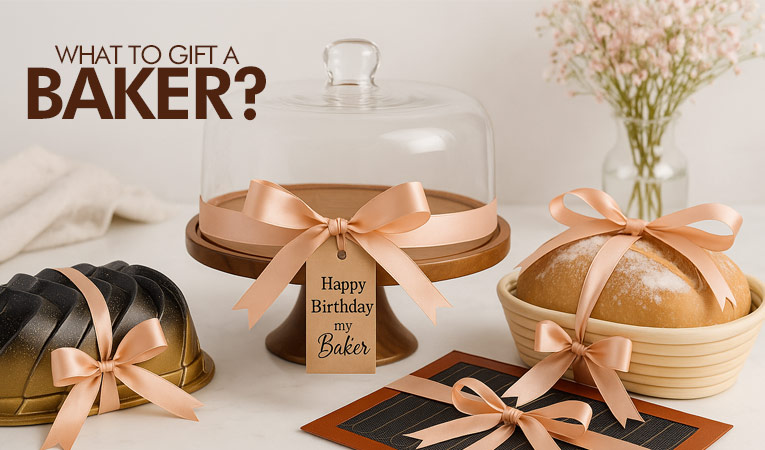
Not sure what to gift a baker? We’ve bundled it for you!
Not sure what to gift a baker? Explore our thoughtfully curated baking combos featuring premium tools, molds, and packag....
View Detail -
28-05-2023
Unlock the Flavors: Callebaut 500grms Pack for Home Bakers
Indulge in Callebaut's 500grms Pack, a perfect choice for home bakers, delivering premium chocolate excellence....
View Detail